Edinburgh Futures Institute
My time at the Edinburgh Futures Institute was one of the most formative periods of my career. As Director, I had the chance to help shape something genuinely ambitious: an institute that didn’t sit within a single discipline, but brought together people from across the arts, humanities, social sciences, and data science to work on problems that don’t respect departmental boundaries — data and society, climate, health, the future of work.
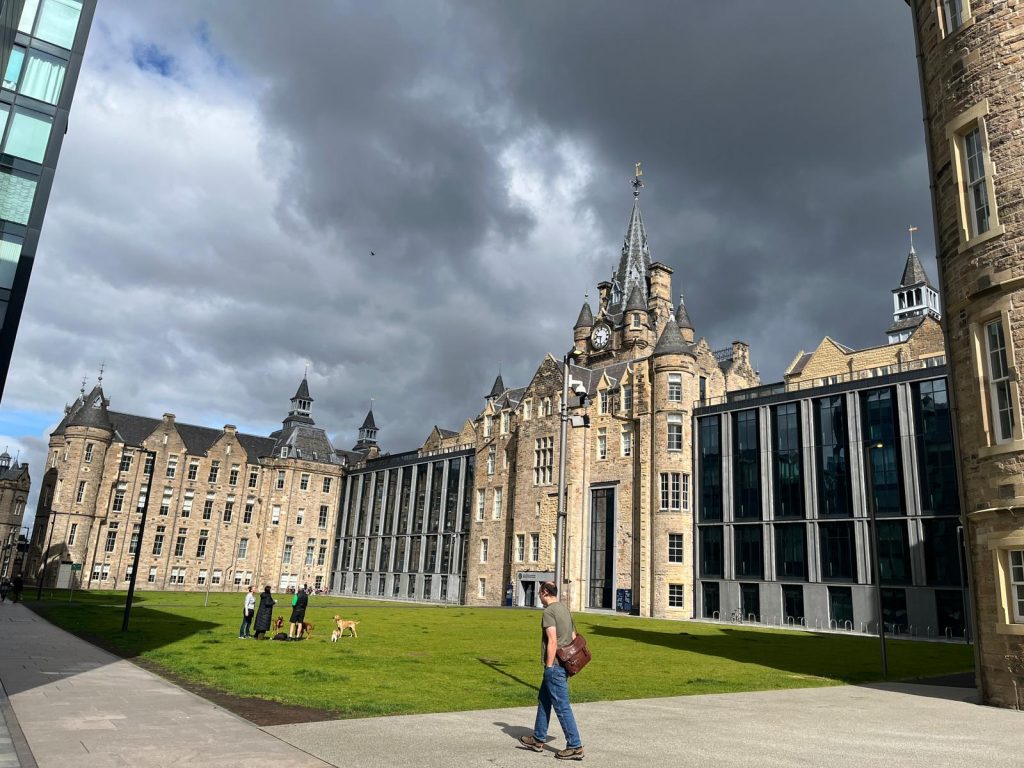
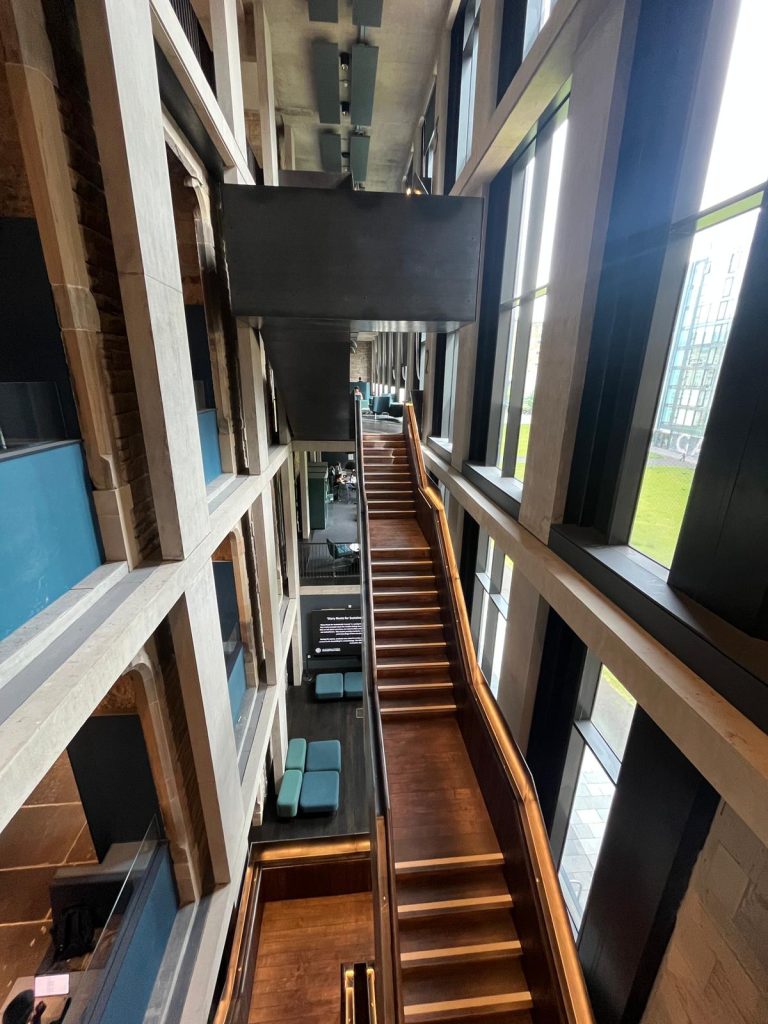
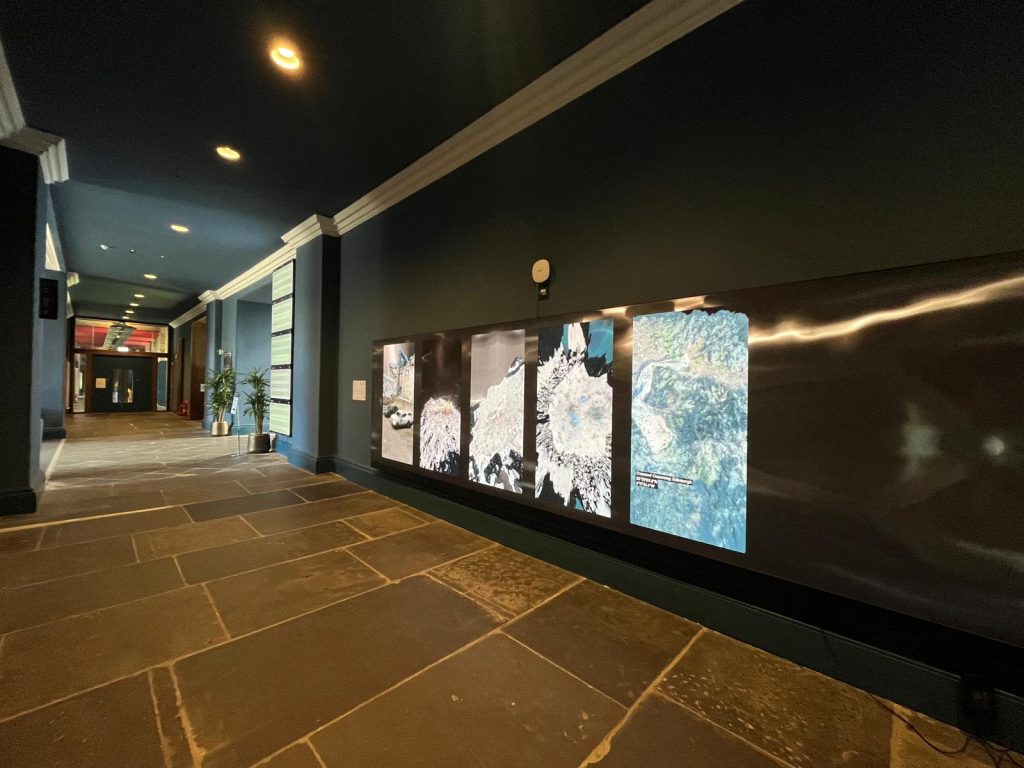
A huge part of that ambition was physical. EFI was built around the redevelopment of the Old Royal Infirmary site — a beautiful, historic campus being reimagined as a home for future-facing teaching and research. Watching that transformation unfold, and thinking about how the spaces themselves would shape the way people worked and collaborated, was a strange and rewarding kind of work for someone used to thinking about digital systems. The building wasn’t just infrastructure; it was meant to embody the institute’s values — openness, interdisciplinarity, a sense of being somewhere new being made.
On the teaching side, I was deeply involved in developing new postgraduate programmes designed explicitly around futures thinking — courses that asked students to grapple with data ethics, design, and societal challenges in ways that crossed traditional subject lines. Building that curriculum from scratch, recruiting the first cohorts, and bringing together teaching staff from very different academic backgrounds was its own kind of institution-building.
Looking back, I think the experience taught me as much about the slow, patient work of bringing people and places together as it did about any single research theme — aligning colleges, shaping a building, designing programmes that didn’t yet have a template to follow. Those lessons — about vision, physical space, and curriculum as inseparable parts of building something new — have stayed with me, and I can see their fingerprints all over the work I’m doing now establishing the Regenerative Futures Institute at RMIT.