Institute for Design Informatics
Co-founding the Institute for Design Informatics was where a lot of my thinking really came together. The Institute brought design and informatics into the same building and the same conversations — designers, computer scientists, and researchers from the social sciences all working alongside each other on questions about data, digital technologies, and everyday life. At the time, that kind of pairing wasn’t obvious to everyone; design and computer science often sat in quite separate worlds, with different languages and different ways of evaluating what counted as good work.
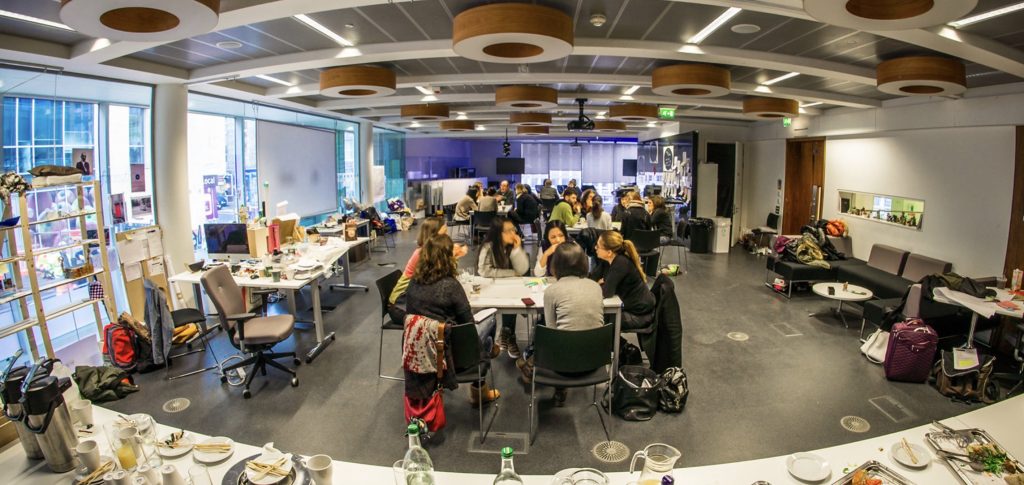
A lot of my own research found its home there — projects on the Internet of Things, blockchain and value systems, human-data interaction, and speculative design all grew out of that environment. Tales of Things, for example, was very much a product of that space: an experiment in how objects could carry stories and data, which fed into a much longer line of work on data, value, and more-than-human perspectives that I’m still pursuing today.
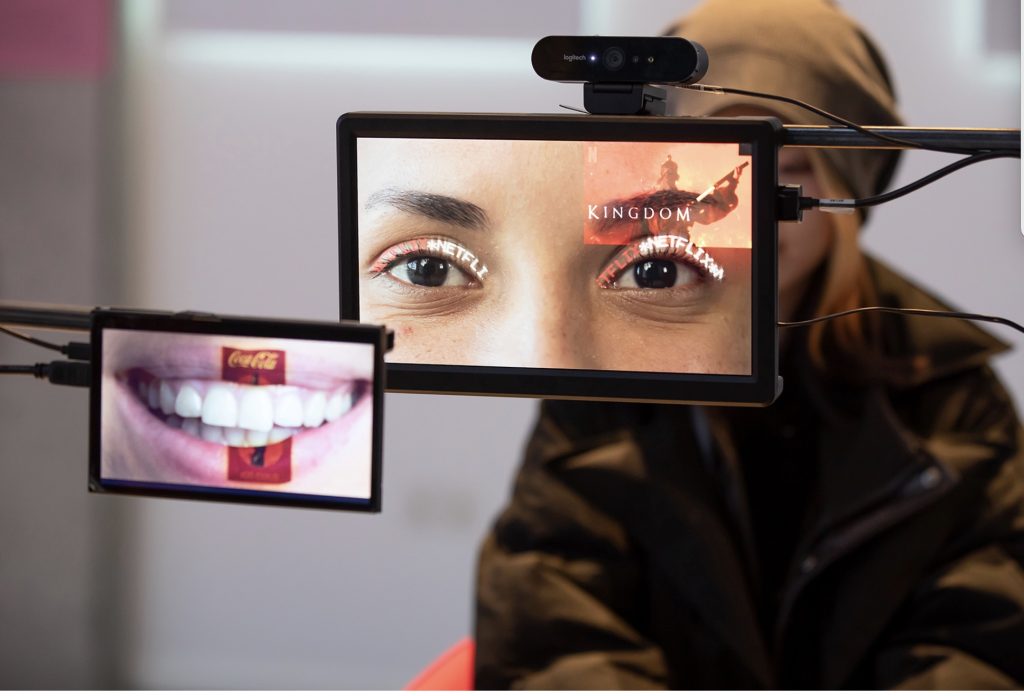
Beyond the research itself, building the Institute meant figuring out how to create a culture where designers and technologists could genuinely collaborate, rather than just sit next to each other. That meant rethinking how PhD supervision worked across disciplines, how funding bids were framed so they made sense to different panels, and how physical and digital studio spaces could support both making and analysis side by side.
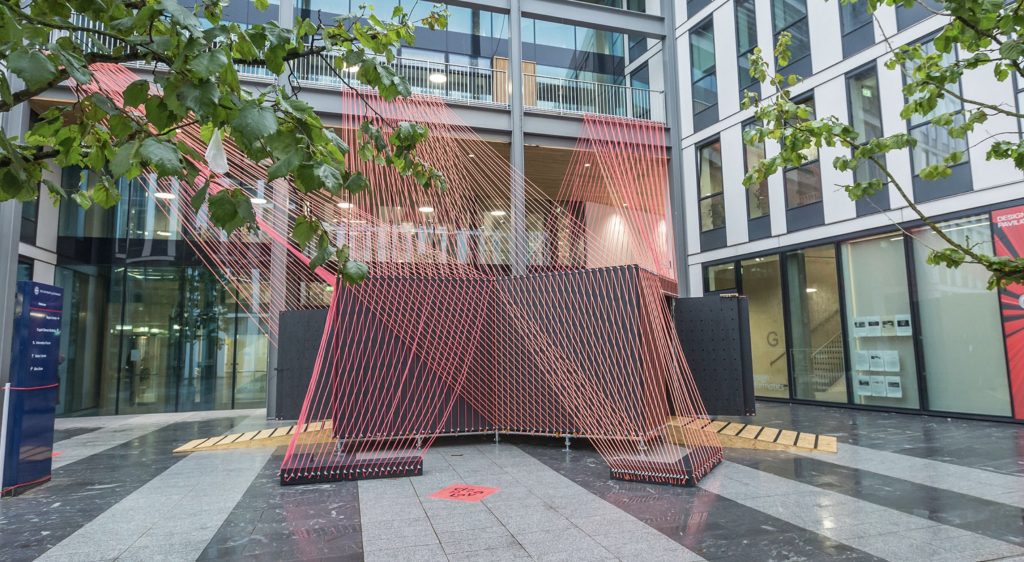
Looking back, the Institute for Design Informatics was really a testbed for a lot of what came later — the interdisciplinary thinking, the emphasis on practice-based and speculative methods, the comfort with sitting between fields rather than inside one. It gave me a template for institution-building that I carried into my work at the Edinburgh Futures Institute, and that I’m now drawing on again as I help establish the Regenerative Futures Institute at RMIT.