Design ‘by’ Data Imaginaries
Friends and colleagues will recall Prof Jon Oberlander who was at the heart of Design Informatics, University of Edinburgh from the very beginning. Jon passed away seven years ago in December 2017 and was a huge loss to a wide community both as a friend and an intellectual guide as we became more entangled with data-driven systems.
In 2016 together we co-authored the Ablative Framework for Designing FROM data (extractive), WITH data (co-design) and BY data (more-than-human). And the collaborative work with Elisa Giaccardi, Neil Rubens, Fionn Tynan-O’Mahony and Nazli Cila provided an early example of design BY data as the data traces of household objects provided insight into their relationships with humans (2016).
“Design by data: when systems are designed by other systems, largely autonomously, where new products and services can be synthesised via the data-intensive analysis of existing combinations of humans, computers, things, and contexts.” https://lnkd.in/g2s-gTSN
Now in RMIT the Data Imaginaries studio with Rusaila Bazlamit, in collaboration with Lucie Paterson Patterson and ACMI gave a chance to recover the ablative model when design BY data is enacted by Gen-AI.
Work from students featured in the images below was produced by students who worked with anonymised data from the ACMI lens system that allows visitors to the gallery to record their interest in exhibits across the Story of the Moving Image show.


You’ll see strong correspondence with Kate Crawford and Vladan Joler’s Anatomy of an AI System, as we asked design students to think about the provenance, integrity and performativity of the data more so than the pixel – hence the anatomy on the middle wall, and their data experiences on the side panels.
By sheer coincidence, Kate was in town for Mapping Planetary AI at the State Library Victoria and unpacked with further acumen the complexity of the social, mineral, energy and economic perils that face society as we tread the line between responsible and unjust use of AI. All credit to the Library for hosting the talk which allowed Kate to ask questions of the Library: What is the role of libraries after AI? Do they build their own LLMs? What might be the sustainable business models for a civic data-driven infrastructure?

Whilst the Anatomy work still attracts much attention, Calculating Empires https://lnkd.in/gnn7JStg is stunning evolution of the work “Calculating Empires is a large-scale research visualization exploring how technical and social structures co-evolved over five centuries. The aim is to view the contemporary period in a longer trajectory of ideas, devices, infrastructures, and systems of power.”
Thanks to Rusaila for the wonderful friendship and critical eyes, Lucie and ACMI for the data, and the design students for their openness to explore data over pixels. And of course to Jon O ❤️.
Related posts
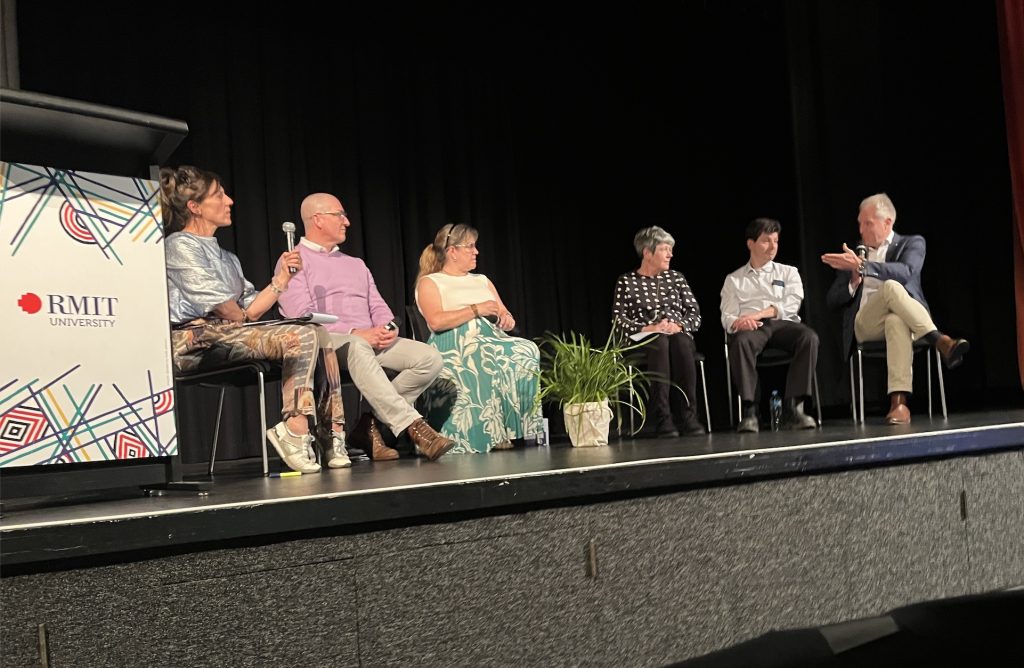
The Model Is the Problem, Not the Technology
A Speedy report back on last nights opening RMIT Regenerative Futures Institute Explainer event that...
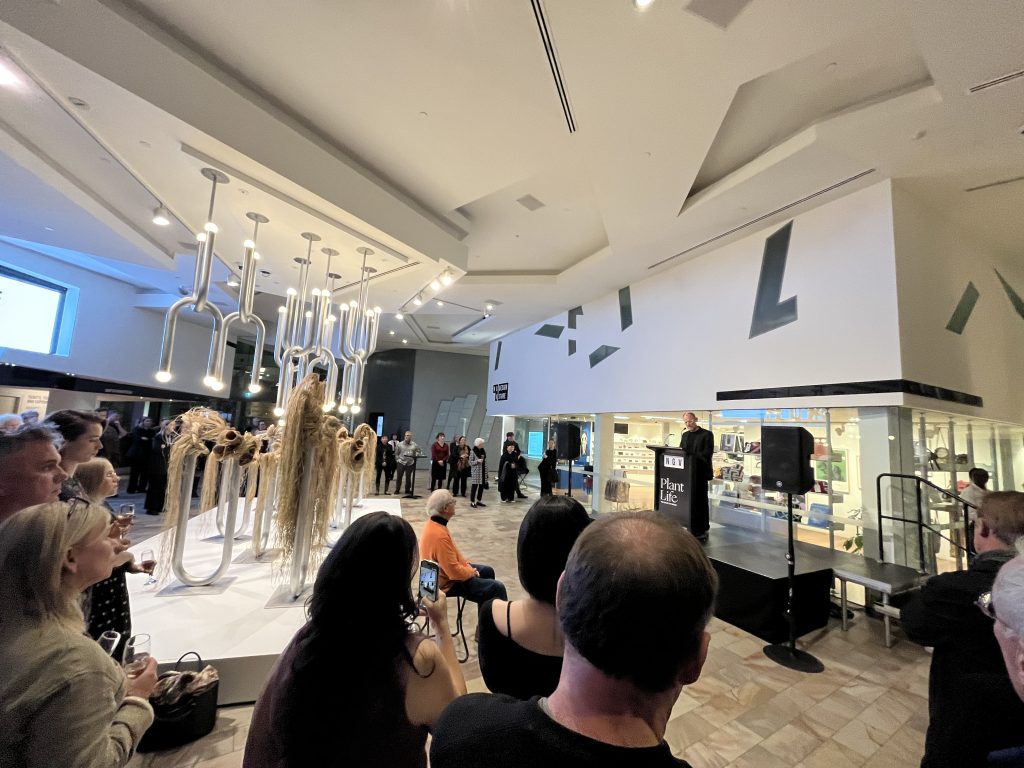
Cooperation, or the Lack of It
Two events I attended recently, on the surface, have almost nothing in common — one was an exhibitio...

Staying in the Aporia
Augustine, writing to God in Book XI of the Confessions, admits he doesn’t know what time is....
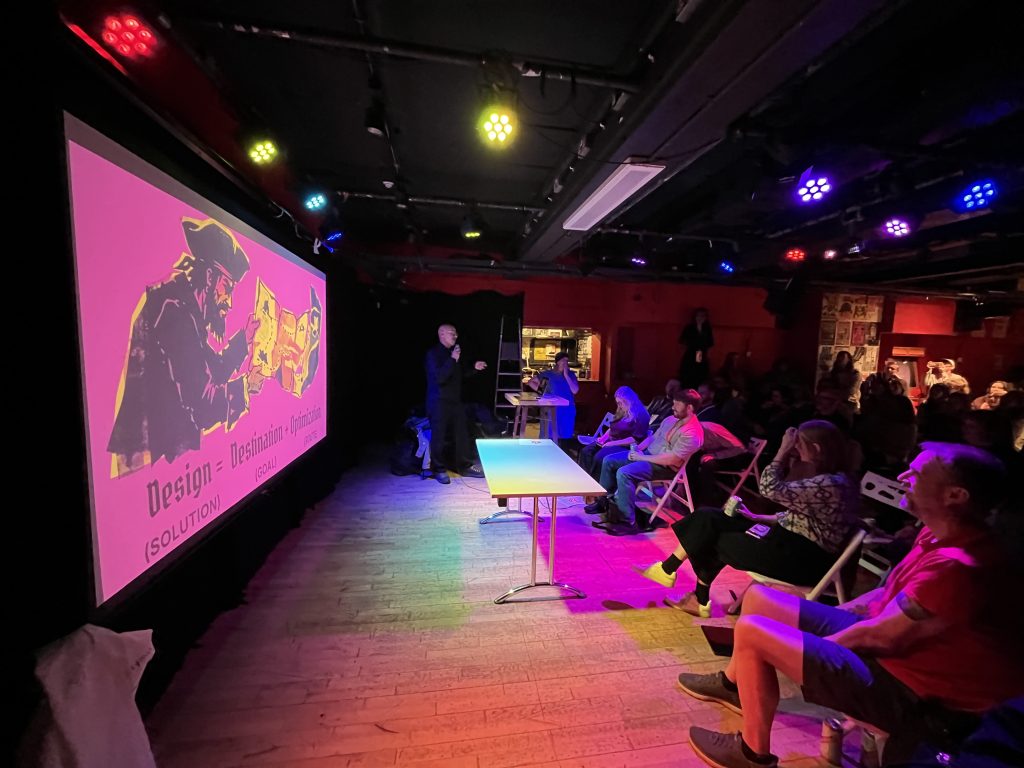
Pirate DRS 2026
Thank you to all the speakers who survived the onslaught of “walk the plank”, “pir...
Data Otherwise
Data Otherwise: More-than-Human Data Practices at DRS 2026 What if the problem with data isn’t...
DRS 2026 summary and list of RMIT papers
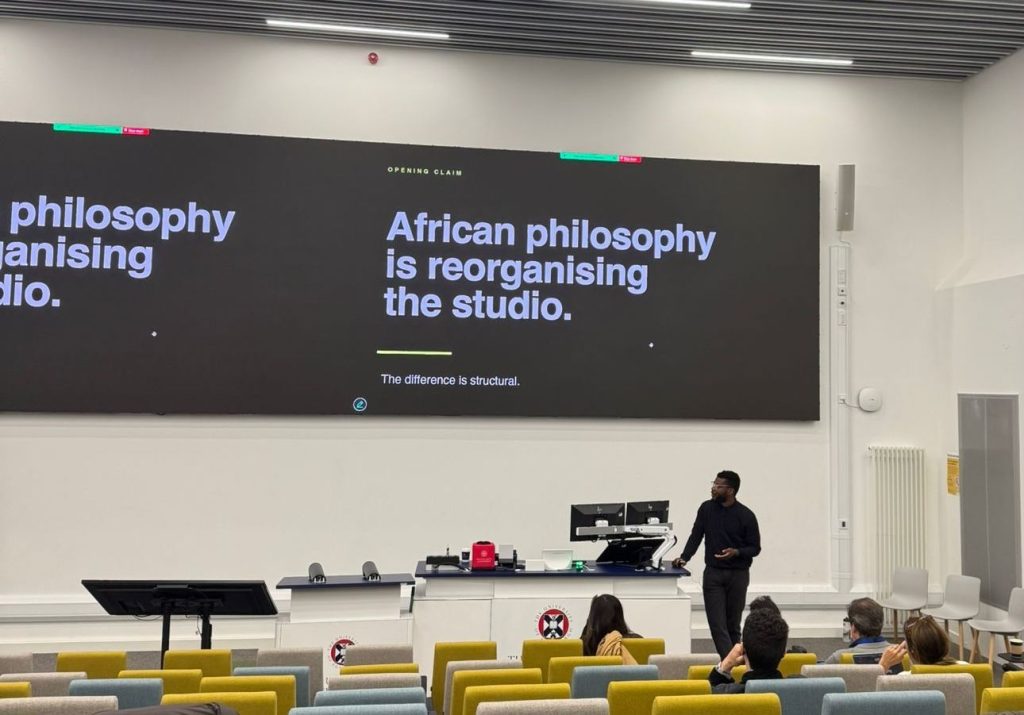
I’ve been fortunate to be at DRS 2026 in Edinburgh this week, about to catch a train and then...
Making Knowledge, Fragmenting Certainty
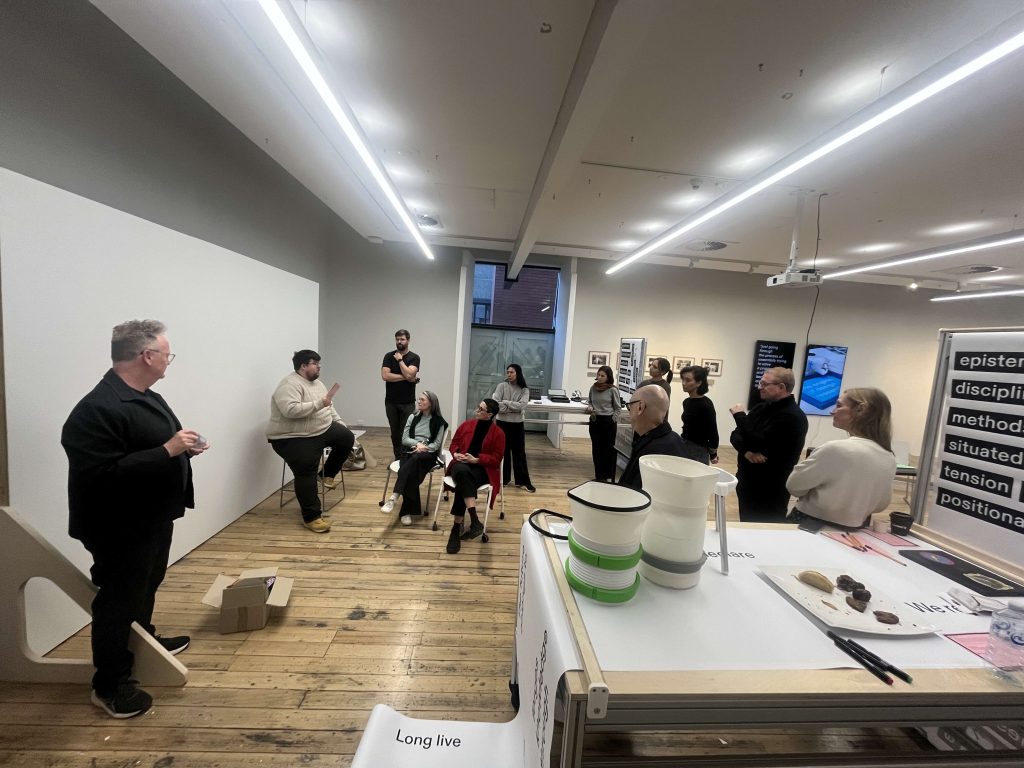
Friday 22nd, 2026 at Monash, design researchers presented artifacts from their practice—Jon McCormac...
YOU ARE NOT FEEDSTOCK
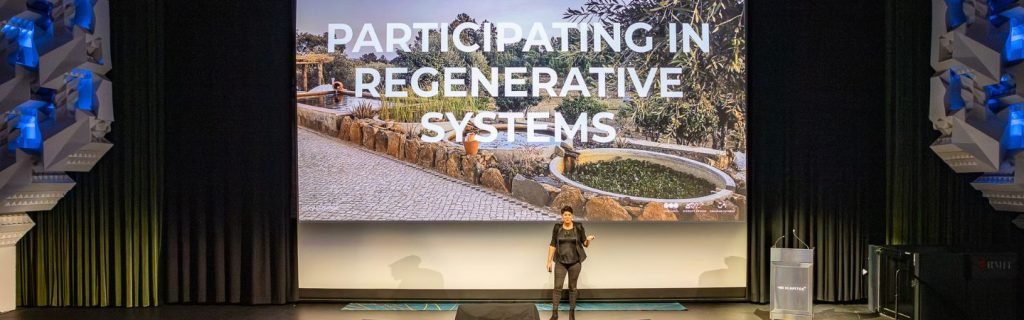
Last week at The Capitol Melbourne, we launched the RMIT Regenerative Futures Institute. I want to t...
What Doesn’t Need To Be New: Two Launches, One Week, One Paradox
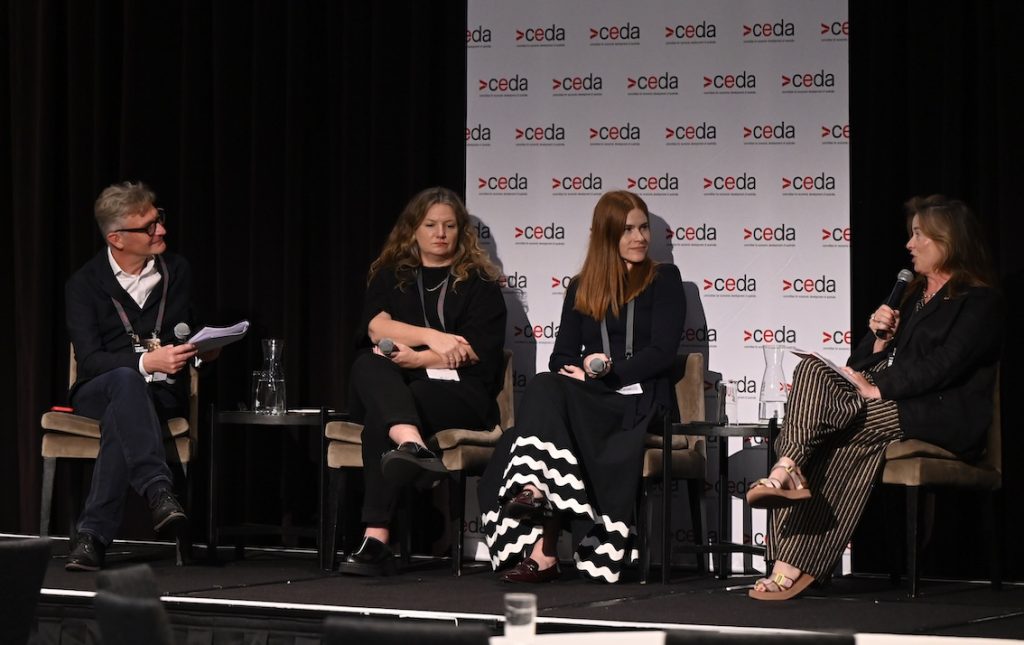
Last week brought two events exploring regenerative futures from very different angles. On one after...

What does it mean for a university to be alive?
The RSA (The royal society for arts, manufactures and commerce), RMIT’s Regenerative Futures I...
Launching RFI…!
Universities are extraordinarily good at adding things. Sustainability offices. Innovation hubs. Int...
Three provocations on designing futures worth watching / reflecting…
Over recent weeks, we’ve been hosting talks from visitors who come through Melbourne. Always fun to...
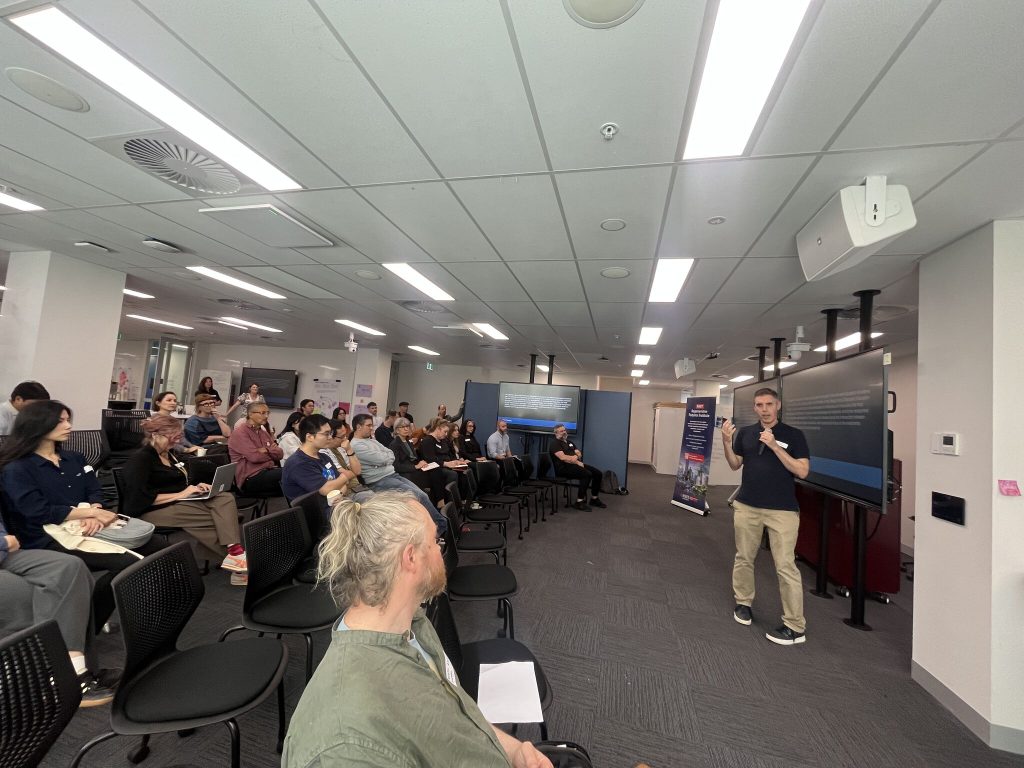
What Would It Take to Read the Label?
February’s Futures Collider at RFI put three provocations in a room and asked people to act ou...
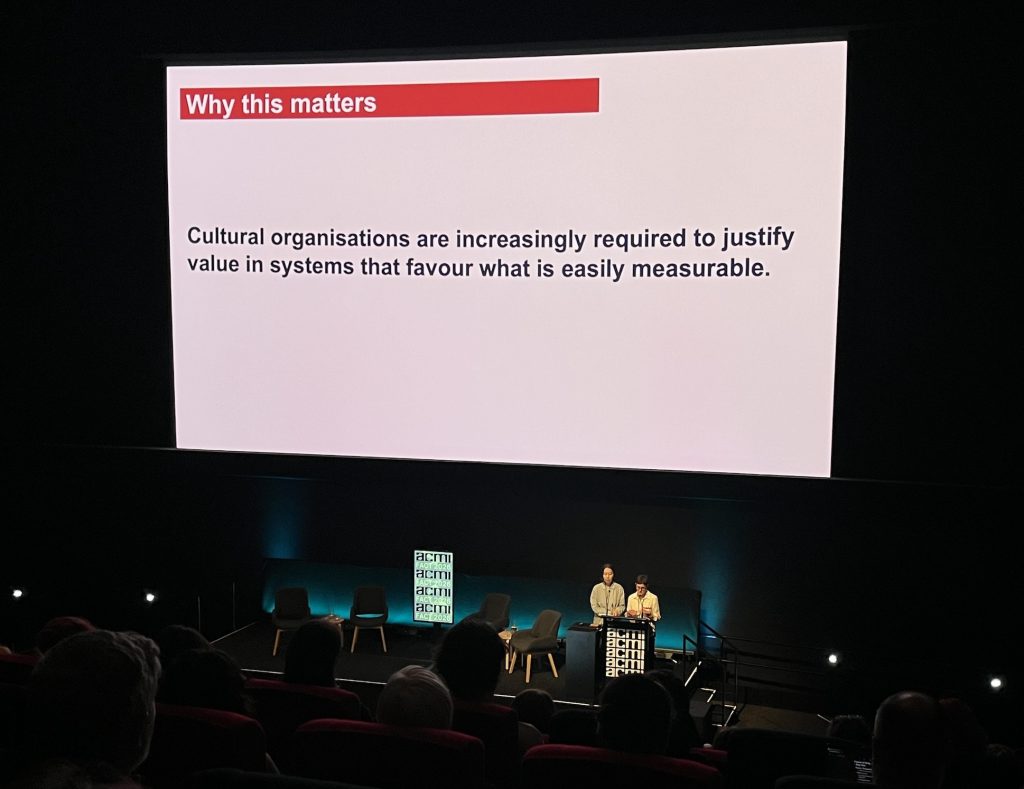
What Gets Counted When Institutions Choose Speed
Two Sessions at FACT 2026 Reflections on qualitative knowledge, AI efficiency pressures, and what ge...
Two Rooms, Two Temporalities
Two events at RMIT over the past couple of weeks revisited the temporal challenges at the heart of h...

Temporal Traps
Ending the year between collapse and care: three December gatherings on time, action, and giving bac...