The Labour of the Rejected / “Walk the Plank”
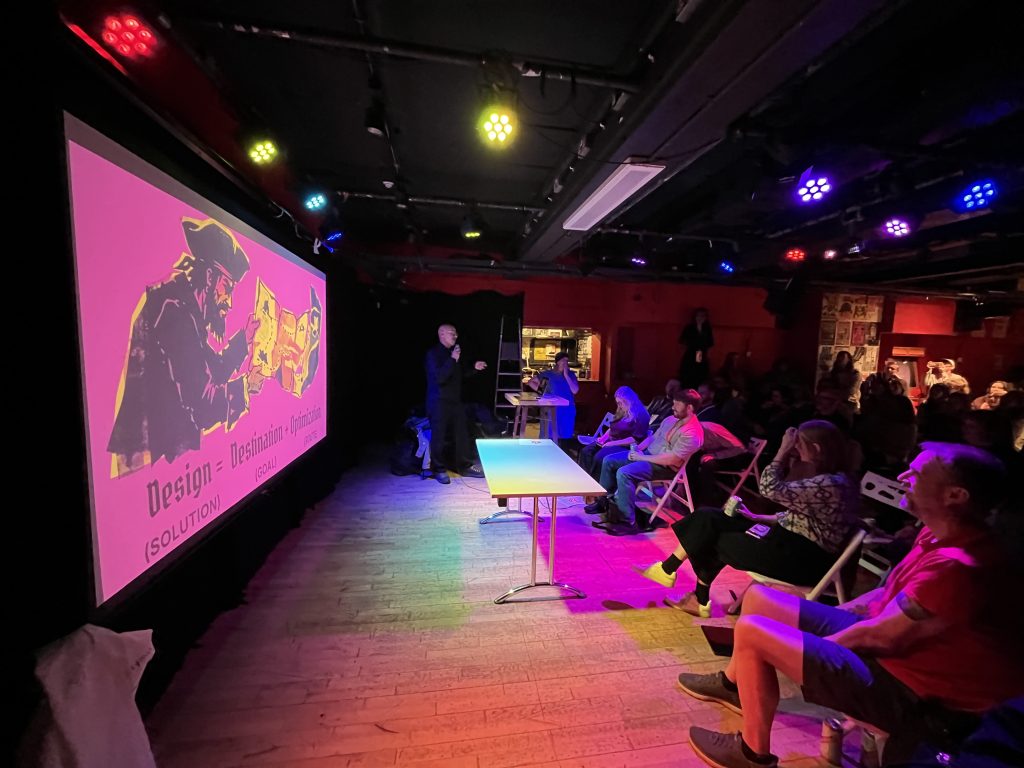
Still playing catchup with so many events. A few weeks ago during hashtag#DIS2025, Mafalda Gamboa and I organised an “unofficial, unsanctioned” side event to the main ACM conference in Funchal. Ten researchers signed up to present their rejected work to a willing audience. Pirate DIS 2025 – papers, pictorials, and works in progress that were part of the 75% (I’m guessing) that didn’t get through the SIGCHI peer process: https://lnkd.in/gZ-Wnkwu
Aggregation of the Normal
Looking across the abstracts and the talks, some patterns do emerge: work that troubles boundaries. Diagrams as “material-discursive practices.” AI voices transcending biological constraints. Children as “money detectives” investigating digital currencies. Plants integrated into translation processes. Queering algorithmic subjectivity beyond gender. Each work represents months of intellectual labour – conceptual development, methodological innovation, empirical work. Did peer review filter them out for being too speculative, interdisciplinary, or distant from established agendas? We’ll never know.
Who “walked the plank”:
Catherine Wieczorek Joseph Lindley Chris Elsden Eva Szekely Willem van der Maden Grace L Turtle / Elisa Giaccardi Mariana Simões Iulia Mihalache Rory C. Boyeun Lee


Looking for patterns
Catherine Wieczorek’s work identified “temporal entanglements” in socio-technical systems. Willem van der Maden’s rejected essay on “semantic stop signs” about how discourse stalls, itself stalled by discourse mechanisms. The irony reveals something deeper: peer review, designed for quality, may systematically exclude the radical thinking design research claims to value.
Grace Turtle’s “queering the algorithmic self” and Mariana Simões’ “caring archive of landscape colors” represent posthumanist thinking that could reshape human-technology relations. Yet they exist in academic limbo – too experimental for traditional venues, not applied enough for HCI. Perhaps most telling: Boyeun Lee’s work on “Human-centered Data-Driven Design” was rejected despite addressing one of HCI’s core challenges – how to maintain human agency within data-driven systems. Even work that directly engages mainstream concerns gets filtered out if it approaches them from unfamiliar angles – business literature.


The Wealth of the Rejected
When peer review aggregates toward the normal, it filters out boundary-crossing, assumption-questioning work that could push fields forward. We get incremental advances while the radical sits in rejection folders.
What kinds of knowledge never reach us because they can’t fit through the narrow channels of academic validation?
But aside the serious questions, Malfada and I had a lot of fun with a lot of terrific people who put themselves on the line – thank you all.
Design research continue to “walk the plank”

Related posts
The Model Is the Problem, Not the Technology
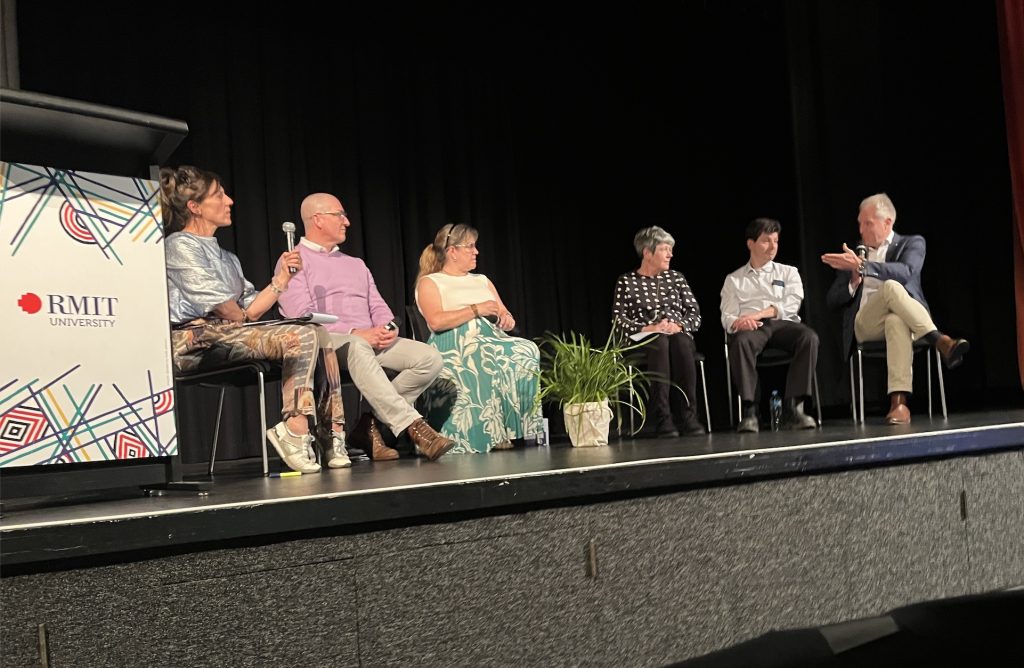
A Speedy report back on last nights opening RMIT Regenerative Futures Institute Explainer event that...
Cooperation, or the Lack of It
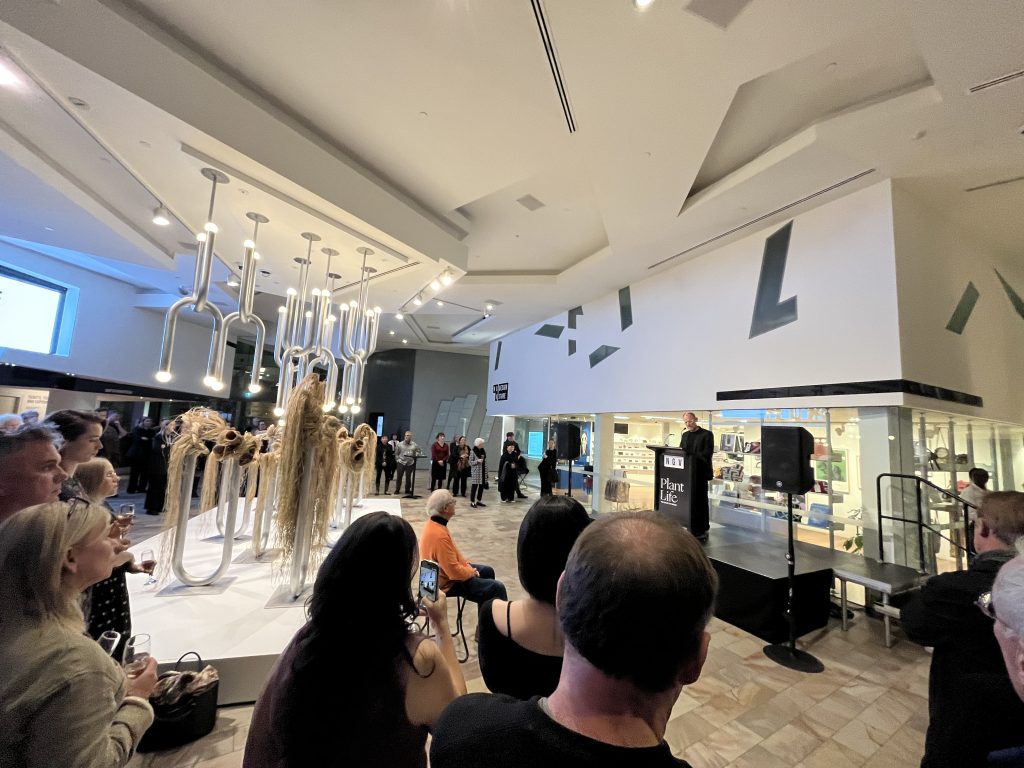
Two events I attended recently, on the surface, have almost nothing in common — one was an exhibitio...

Staying in the Aporia
Augustine, writing to God in Book XI of the Confessions, admits he doesn’t know what time is....
Pirate DRS 2026
Thank you to all the speakers who survived the onslaught of “walk the plank”, “pir...
Data Otherwise
Data Otherwise: More-than-Human Data Practices at DRS 2026 What if the problem with data isn’t...
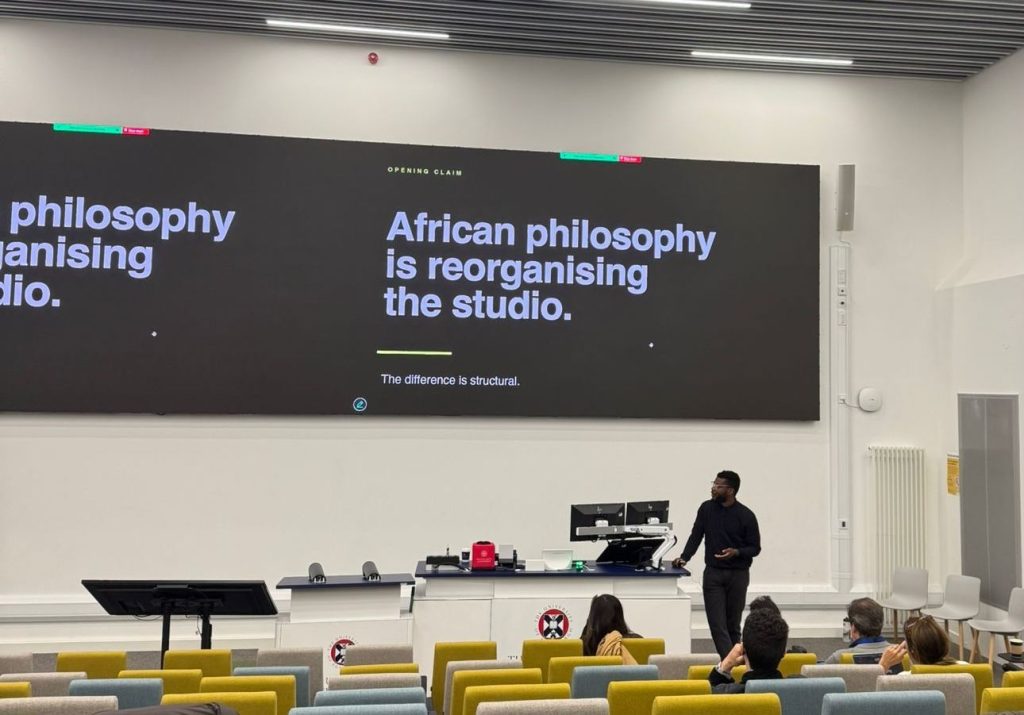
DRS 2026 summary and list of RMIT papers
I’ve been fortunate to be at DRS 2026 in Edinburgh this week, about to catch a train and then...
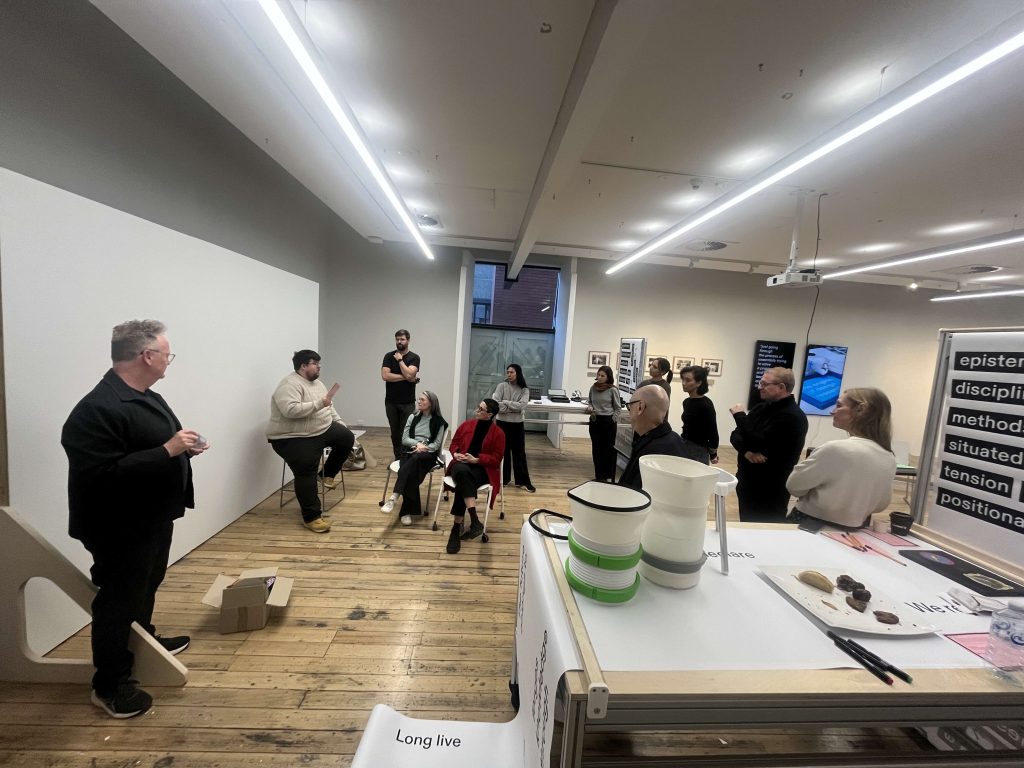
Making Knowledge, Fragmenting Certainty
Friday 22nd, 2026 at Monash, design researchers presented artifacts from their practice—Jon McCormac...
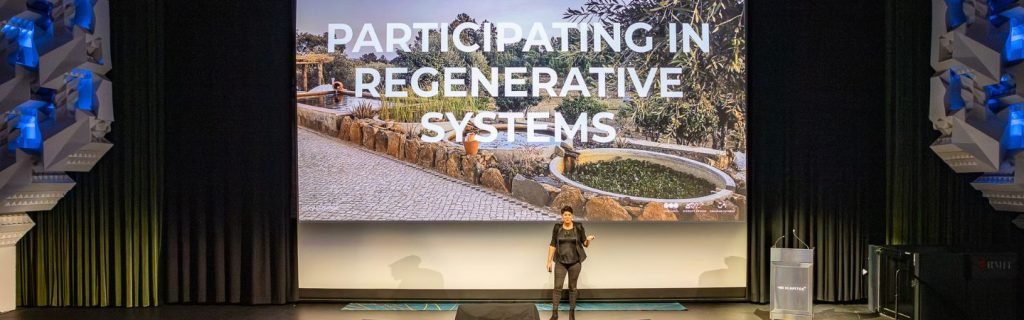
YOU ARE NOT FEEDSTOCK
Last week at The Capitol Melbourne, we launched the RMIT Regenerative Futures Institute. I want to t...
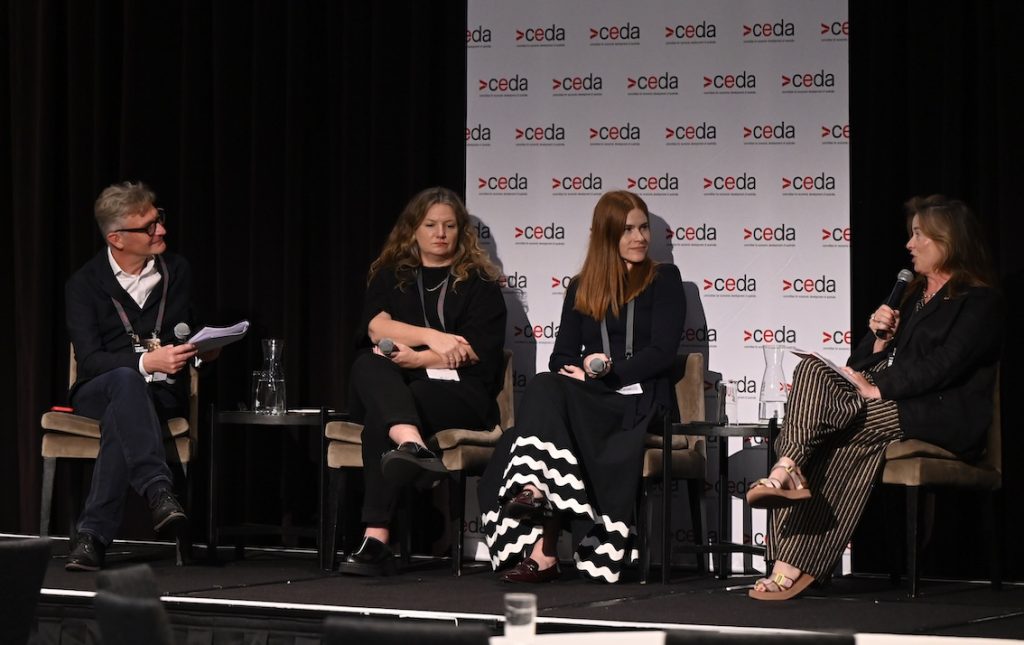
What Doesn’t Need To Be New: Two Launches, One Week, One Paradox
Last week brought two events exploring regenerative futures from very different angles. On one after...

What does it mean for a university to be alive?
The RSA (The royal society for arts, manufactures and commerce), RMIT’s Regenerative Futures I...
Launching RFI…!
Universities are extraordinarily good at adding things. Sustainability offices. Innovation hubs. Int...
Three provocations on designing futures worth watching / reflecting…
Over recent weeks, we’ve been hosting talks from visitors who come through Melbourne. Always fun to...
What Would It Take to Read the Label?
February’s Futures Collider at RFI put three provocations in a room and asked people to act ou...
What Gets Counted When Institutions Choose Speed
Two Sessions at FACT 2026 Reflections on qualitative knowledge, AI efficiency pressures, and what ge...
Two Rooms, Two Temporalities
Two events at RMIT over the past couple of weeks revisited the temporal challenges at the heart of h...

Temporal Traps
Ending the year between collapse and care: three December gatherings on time, action, and giving bac...