Design Contradictions
Two projects during Melbourne Design Week with collaborators Michael Dunbar and Liam Fennessy to explore connections across. A possible theme: how design simultaneously demands radical honesty about complex futures while maintaining professional facades that obscure the messy realities of practice…
Fabulating More-than-Human Data with AI invited workshop participants to generate synthetic datasets for multispecies urban planning – imagining how cities might account for spider negotiations, fungal networks, and seasonal migrations. Using prompt engineering, designers stretched beyond human-centered metrics to ask: “What data isn’t there, and whose perspectives are systematically excluded?” https://designweek.melbourne/event/fabulating-more-than-human-data-with-ai/

Whilst using Gen-AI to fabulate may sound frivolous to some readers (or irresponsible), we found that a complexity grew as the AI prompts didn’t just generate alternative data – they revealed assumptions embedded in existing datasets, forcing questions about who sets standards and whose futures get foreclosed.

A particular favourite was Madelaine Thomas ’ exploration of fungus conversations leading to an impenetrable speculative language – see video:
Meanwhile, Design. Regret. Confess. operated from a Japanese Kei truck, collecting anonymous confessions from Melbourne’s design community. The results were devastating in their honesty: “I don’t understand design anymore,” “I grimace every time I hear design can change the world,” “I purposely make worse work for clients who misgender me.” https://designweek.melbourne/event/design-regret-confess/

Between moments of spectacular failure (“forgot there are windows on the tram”) and ethical compromise (“I worked for a consultancy supporting warfare activities”), a pattern emerged: practitioners desperate for spaces to acknowledge what our polished portfolios systematically erase.

Do keep adding… https://designregretconfess.com/
The Contradiction of Professional Imagination…
The synthetic data workshop asked participants to imagine radically inclusive futures while the confession van revealed how current practice systematically excludes, compromises, and fails. We can fabulate multispecies datasets but struggle to create professional cultures that acknowledge our own limitations.
Perhaps the contradiction isn’t a problem to solve but a productive tension to maintain. The same imagination that can fabulate fungal urban planning can also acknowledge the coal mine uncle, the copied logo, the compromised ethics.
The question isn’t whether design can change the world, but whether we can practice with enough honesty about our limitations to change anything at all.
Thanks to National Gallery of Victoria, Nina Gibbes, Madelaine Thomas, Leyla Acaroglu Brad Haylock RMIT College of Design and Social Context
hashtag#MelbourneDesignWeek hashtag#SyntheticDataDesign hashtag#DesignResearch hashtag#AIAsDisclosure
Related posts
The Model Is the Problem, Not the Technology
A Speedy report back on last nights opening RMIT Regenerative Futures Institute Explainer event that...
Cooperation, or the Lack of It
Two events I attended recently, on the surface, have almost nothing in common — one was an exhibitio...

Staying in the Aporia
Augustine, writing to God in Book XI of the Confessions, admits he doesn’t know what time is....
Pirate DRS 2026
Thank you to all the speakers who survived the onslaught of “walk the plank”, “pir...
Data Otherwise
Data Otherwise: More-than-Human Data Practices at DRS 2026 What if the problem with data isn’t...
DRS 2026 summary and list of RMIT papers
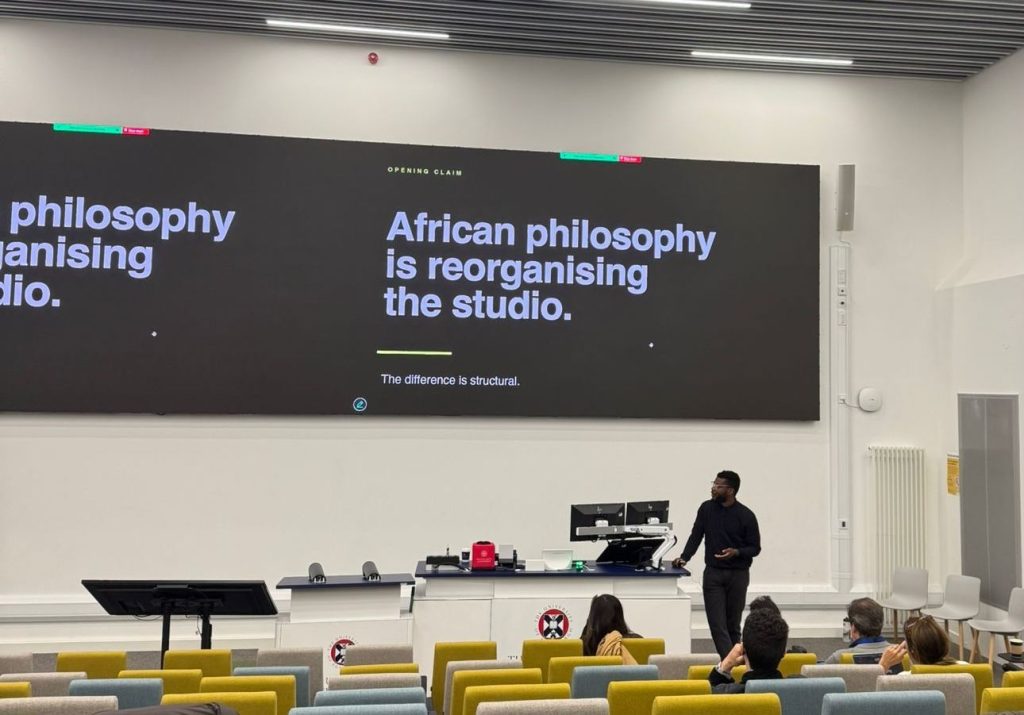
I’ve been fortunate to be at DRS 2026 in Edinburgh this week, about to catch a train and then...
Making Knowledge, Fragmenting Certainty
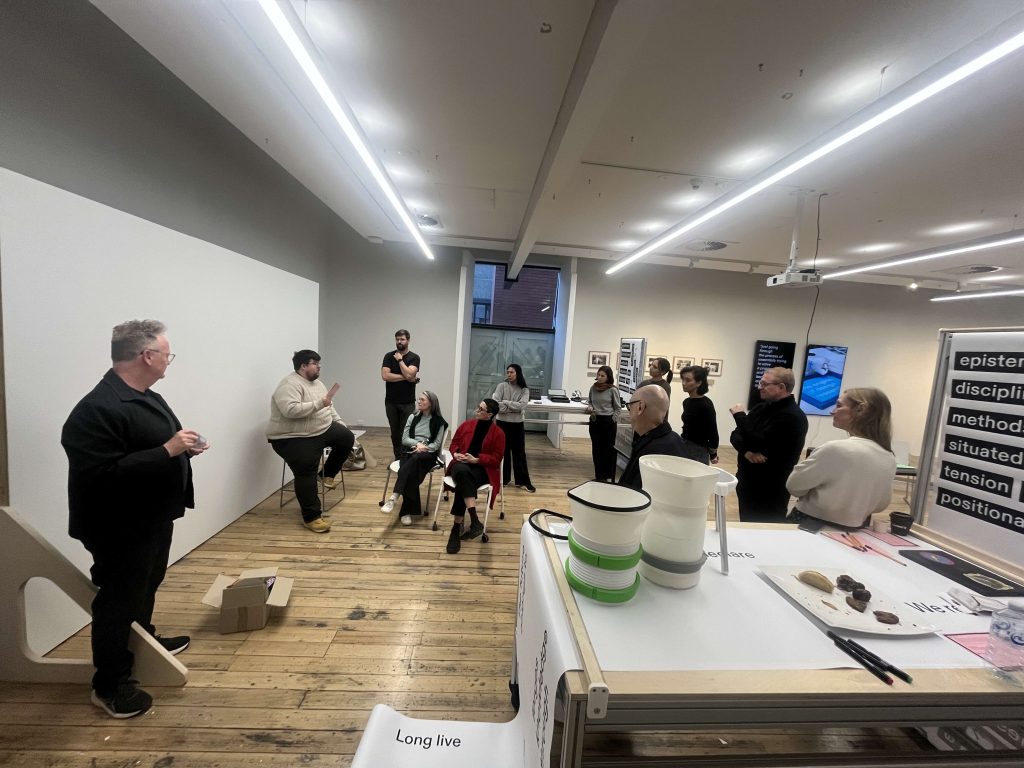
Friday 22nd, 2026 at Monash, design researchers presented artifacts from their practice—Jon McCormac...
YOU ARE NOT FEEDSTOCK
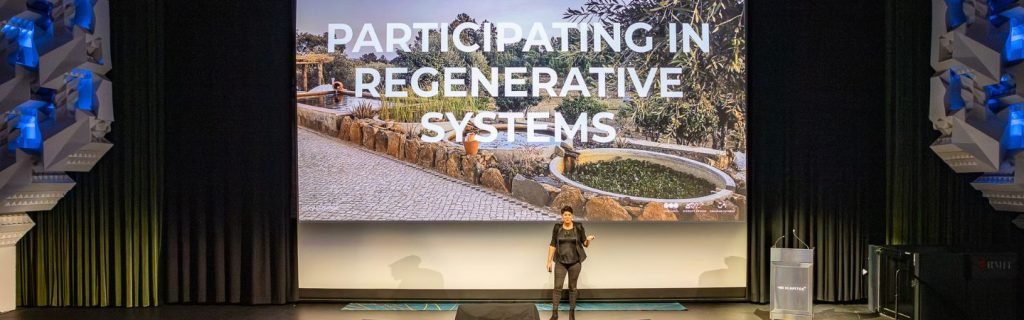
Last week at The Capitol Melbourne, we launched the RMIT Regenerative Futures Institute. I want to t...
What Doesn’t Need To Be New: Two Launches, One Week, One Paradox
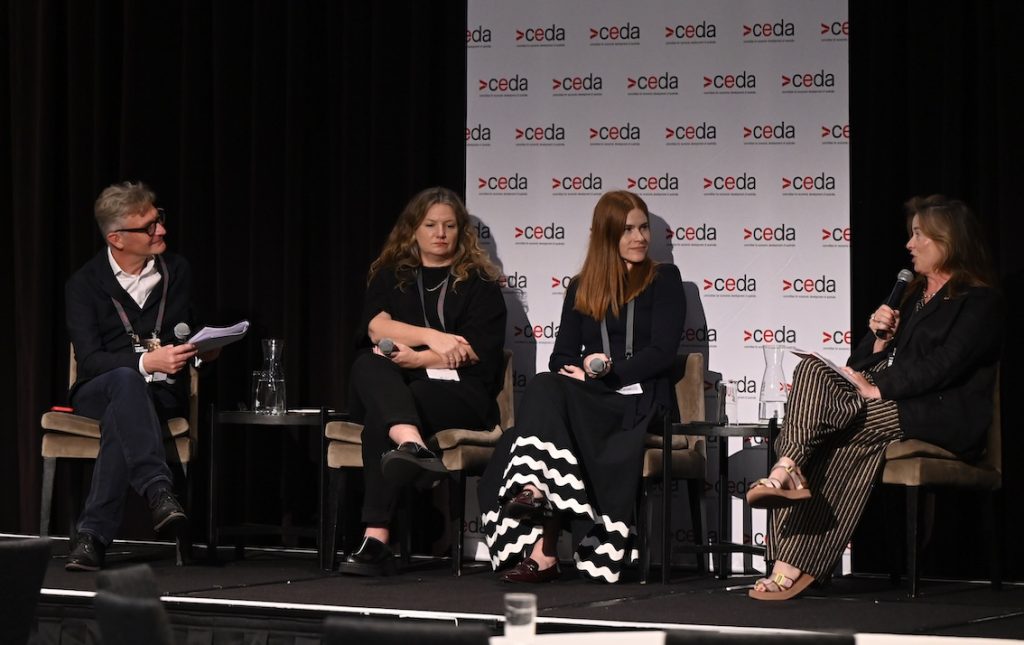
Last week brought two events exploring regenerative futures from very different angles. On one after...

What does it mean for a university to be alive?
The RSA (The royal society for arts, manufactures and commerce), RMIT’s Regenerative Futures I...
Launching RFI…!
Universities are extraordinarily good at adding things. Sustainability offices. Innovation hubs. Int...
Three provocations on designing futures worth watching / reflecting…
Over recent weeks, we’ve been hosting talks from visitors who come through Melbourne. Always fun to...
What Would It Take to Read the Label?
February’s Futures Collider at RFI put three provocations in a room and asked people to act ou...
What Gets Counted When Institutions Choose Speed
Two Sessions at FACT 2026 Reflections on qualitative knowledge, AI efficiency pressures, and what ge...
Two Rooms, Two Temporalities
Two events at RMIT over the past couple of weeks revisited the temporal challenges at the heart of h...

Temporal Traps
Ending the year between collapse and care: three December gatherings on time, action, and giving bac...