Paradox of Collaborative Speed
Two events in Melbourne over the past 10 days week revealed a tension across contemporary technology debates: how do we build social/technical alternatives when urgency itself seems to undermine the very deliberation that collaboration requires?
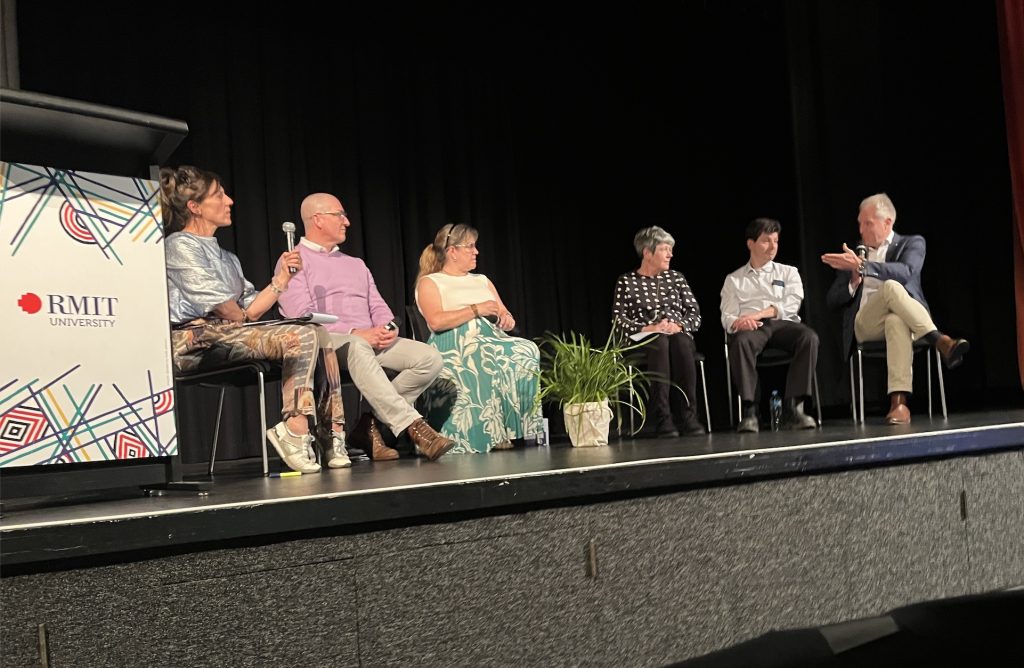
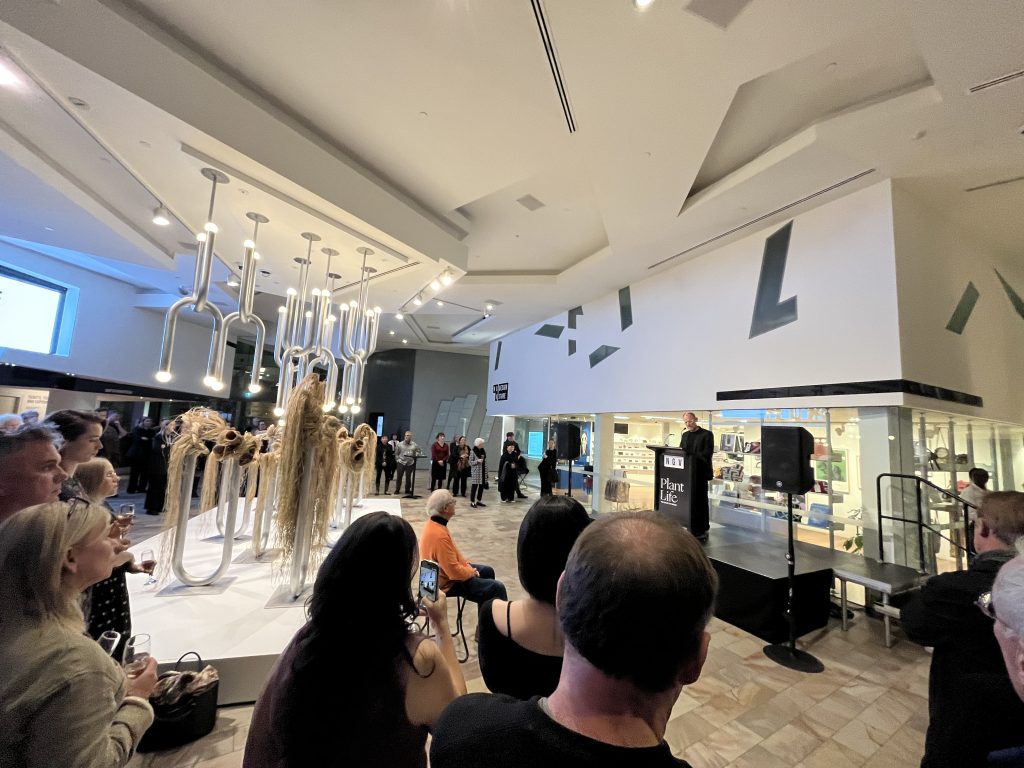
Trebor Scholz‘s talk on platform cooperatives (May 16th) and the No Harm Done #2 workshop on risk, technology, and climate (May 19th) approached this paradox.
The Temporal Politics of Platform Ownership: Scholz presented compelling evidence of cooperative digital infrastructure already operating at scale – 1.2 million workers across 60+ countries owning their platforms. Embedded in his examples was a persistent tension: the months / years of relationship-building required to build a cooperative versus the venture-capital pace of Silicon Valley’s ‘move fast and break things.’
Successful cooperatives emerge through federation, through what Scholz called “the slow relational work of care, not just the speed of code.”


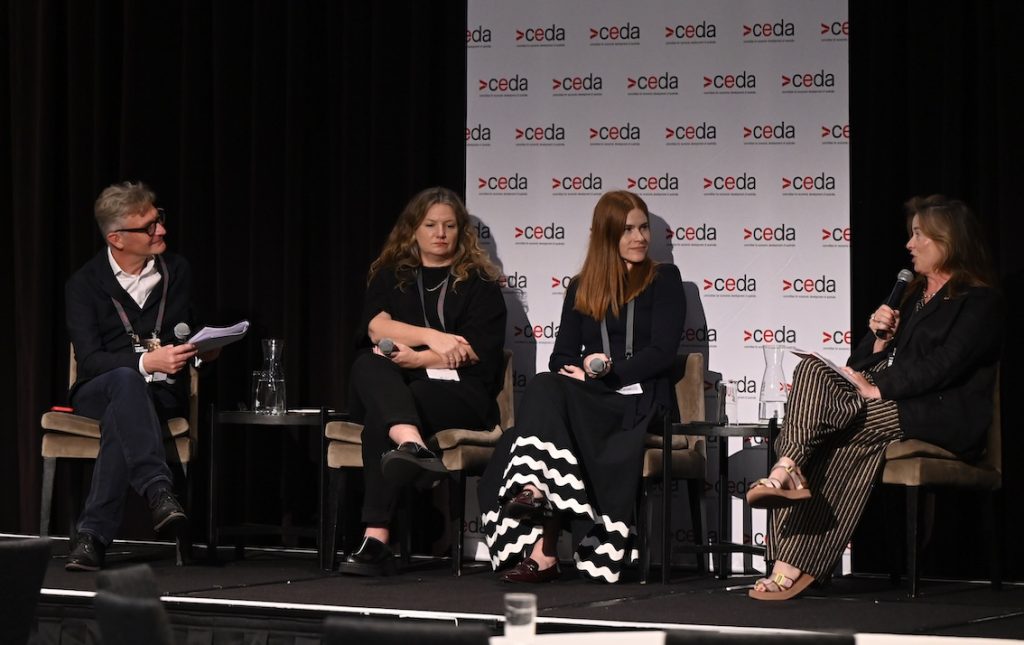
Three days later, NoHarmDone #2 hosted three speakers including Trebor to ‘collide’ ideas. before inviting participants to discuss, explore and extend the implications of AI across the interconnected issues of climate, risk and technology.

Jathan Sadowski introduced an unexpected actor in this politics: the insurance industry as technology’s shadow regulator. When Air Canada’s chatbot hallucinated a discount, it wasn’t government regulation or user protest that responded – it was an AI insurance startup, immediately seeing market opportunity in algorithmic failure: https://www.bbc.com/travel/article/20240222-air-canada-chatbot-misinformation-what-travellers-should-know
Sadowski’s insight remains vital: “Who actually governs?” isn’t answered by looking at democratic institutions but at actuarial tables and risk models. Insurance operates on entirely different temporalities – calculating risk across decades while enabling or constraining technological deployment in real-time.
Convergence emerged around Scholz’s provocation: “What if AI wasn’t built on the backs of exploited workers, but by workers themselves through cooperatives?” This wasn’t just about ownership structures but about temporal reconciliation – how do we embed the deliberative time of democratic governance into systems designed for computational speed?

Bonnie Shaw‘s work with MAV offered one bridge. Her description of building trust through “feedback loops” – where effective leadership and reliable service delivery create space for citizen participation – suggested how democratic temporalities might be cultivated rather than imposed.

Perhaps most intriguingly, both events suggested that the resistance we encounter – the slowness of consensus, the friction of democratic process, even the “failures” of collective action – might be features rather than bugs.
What emerged across both events was something we might call “temporal sovereignty” – communities claiming the right to operate on their own timescales rather than those imposed by venture capital, algorithmic optimisation, or crisis rhetoric.
The question isn’t whether democratic alternatives can match Silicon Valley’s speed, but whether they can create more resilient, responsive, and ultimately more innovative systems by working with different temporal logics entirely.
#PlatformCooperatives #CooperativeAI #TemporalPolitics #DemocraticTechnology #DigitalGovernance #TechPolicy #CivicInnovation
Related posts
The Model Is the Problem, Not the Technology
A Speedy report back on last nights opening RMIT Regenerative Futures Institute Explainer event that...
Cooperation, or the Lack of It
Two events I attended recently, on the surface, have almost nothing in common — one was an exhibitio...

Staying in the Aporia
Augustine, writing to God in Book XI of the Confessions, admits he doesn’t know what time is....
Pirate DRS 2026
Thank you to all the speakers who survived the onslaught of “walk the plank”, “pir...
Data Otherwise
Data Otherwise: More-than-Human Data Practices at DRS 2026 What if the problem with data isn’t...
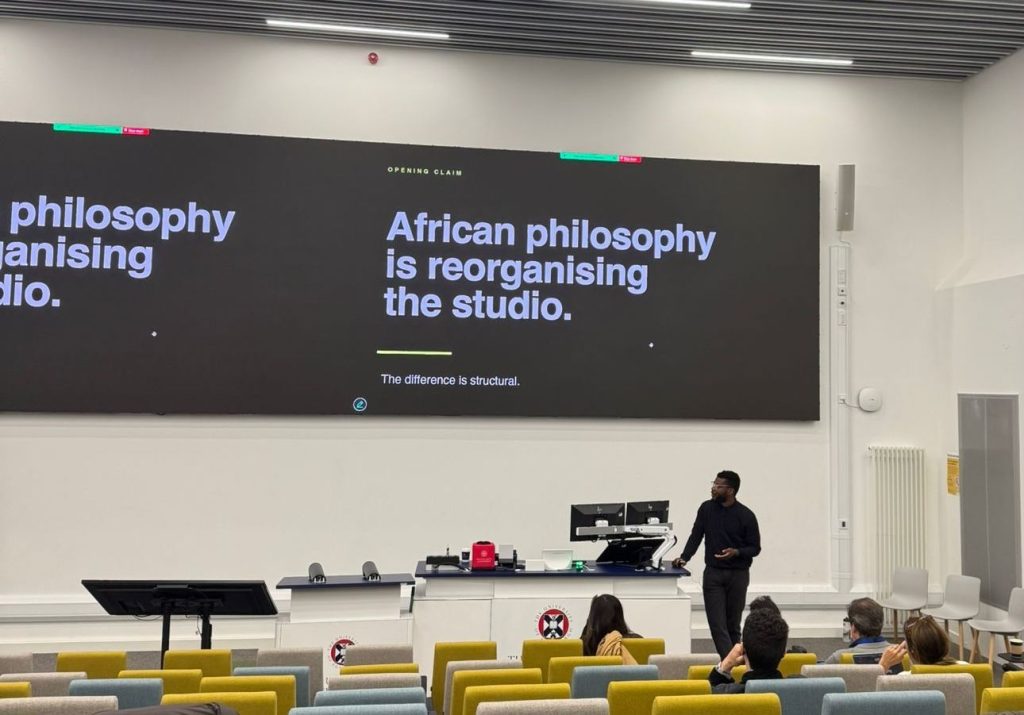
DRS 2026 summary and list of RMIT papers
I’ve been fortunate to be at DRS 2026 in Edinburgh this week, about to catch a train and then...
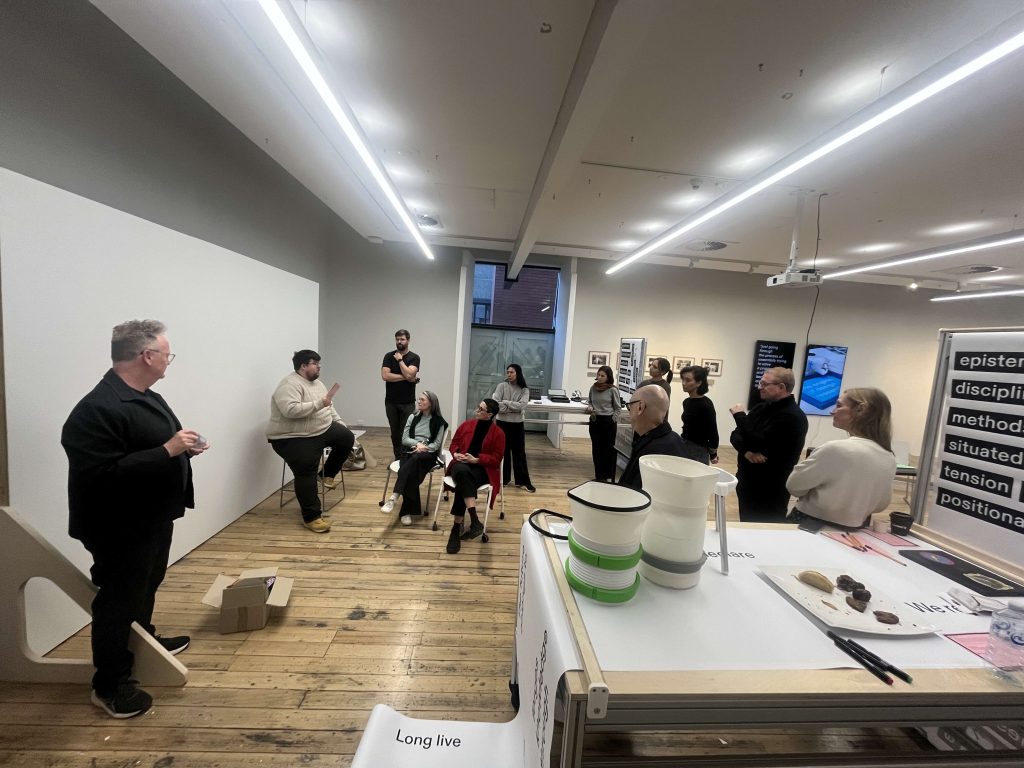
Making Knowledge, Fragmenting Certainty
Friday 22nd, 2026 at Monash, design researchers presented artifacts from their practice—Jon McCormac...
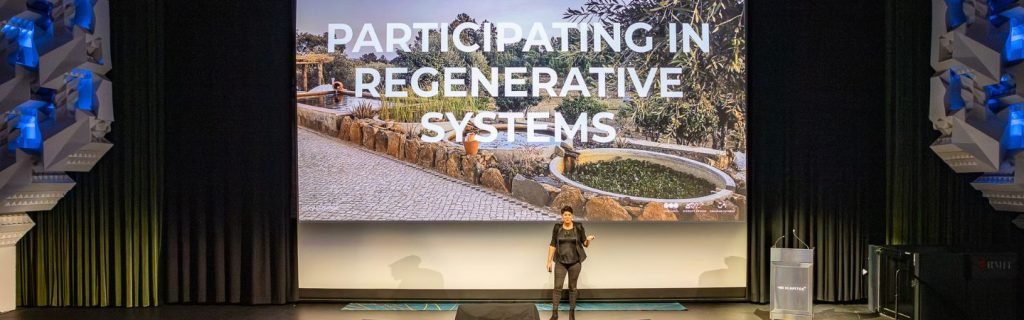
YOU ARE NOT FEEDSTOCK
Last week at The Capitol Melbourne, we launched the RMIT Regenerative Futures Institute. I want to t...
What Doesn’t Need To Be New: Two Launches, One Week, One Paradox
Last week brought two events exploring regenerative futures from very different angles. On one after...

What does it mean for a university to be alive?
The RSA (The royal society for arts, manufactures and commerce), RMIT’s Regenerative Futures I...

Launching RFI…!
Universities are extraordinarily good at adding things. Sustainability offices. Innovation hubs. Int...
Three provocations on designing futures worth watching / reflecting…
Over recent weeks, we’ve been hosting talks from visitors who come through Melbourne. Always fun to...
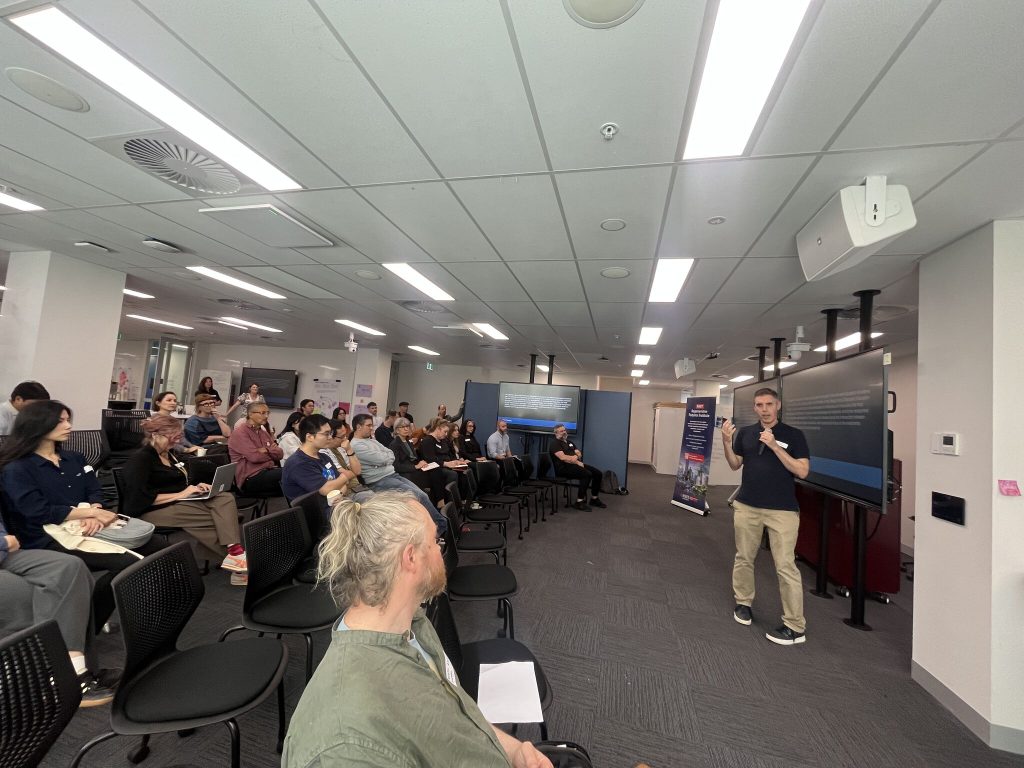
What Would It Take to Read the Label?
February’s Futures Collider at RFI put three provocations in a room and asked people to act ou...
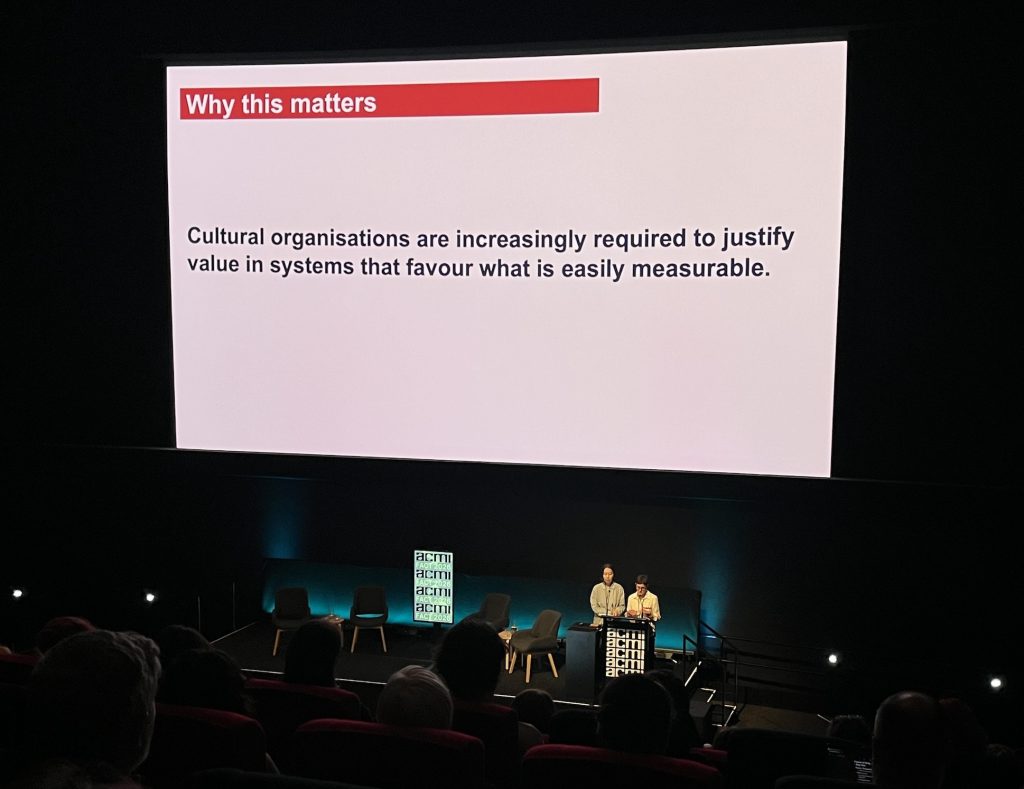
What Gets Counted When Institutions Choose Speed
Two Sessions at FACT 2026 Reflections on qualitative knowledge, AI efficiency pressures, and what ge...
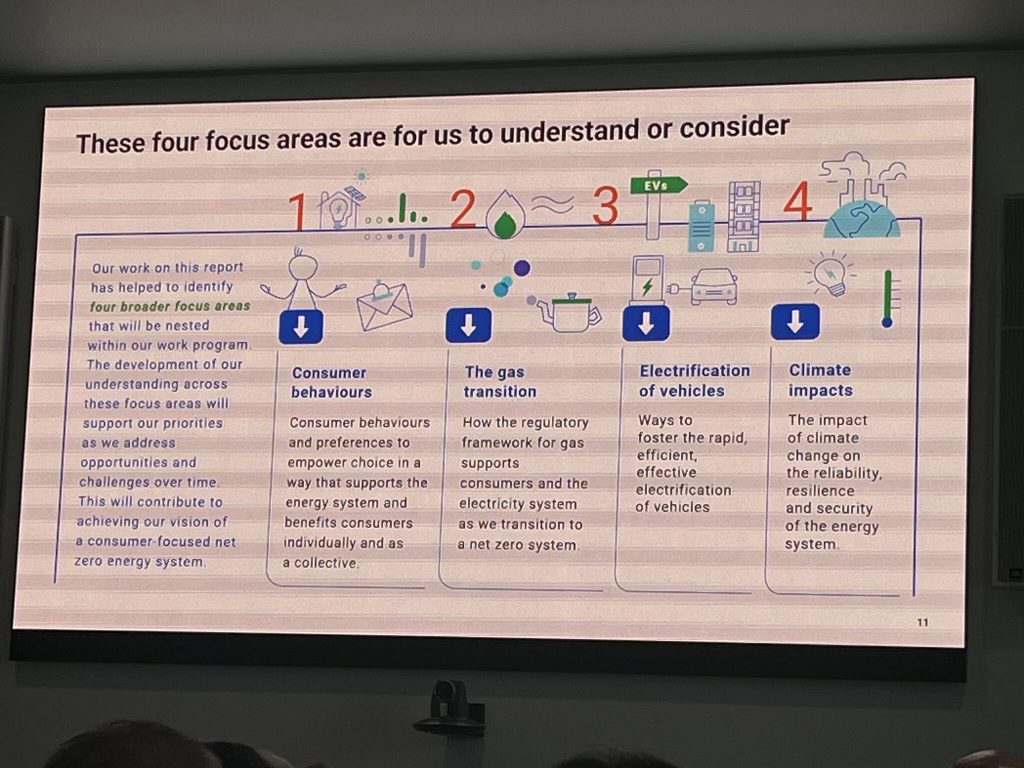
Two Rooms, Two Temporalities
Two events at RMIT over the past couple of weeks revisited the temporal challenges at the heart of h...

Temporal Traps
Ending the year between collapse and care: three December gatherings on time, action, and giving bac...