Notes toward the 6th finger
I’ve spent 20 years watching designers optimise products that score well environmentally while the systems producing them remain extractive. Reusable cups requiring 1,000 uses to break even. Solar panels remain entangled in rare earth mining. On balance, design seems to pursue sustainment rather than sustainability. We’ve become very good at doing less bad. But that’s not the same as actively doing good.
At RMIT University‘s Regenerative Futures Institute launching next year, we’re asking: what does it take to move toward co-developing and co-delivering interventions that actively heal damaged systems rather than just reducing harm?
Thirty years ago, Juhani Pallasmaa’s Eyes of the Skin asked us to consider architecture through how we handle things. A contemporary take: how can we evaluate whether what we touch is truly regenerative? Each finger represents a dimension any design should address: Social wellbeing (thumb), Environmental health (index), Economic purpose (middle), Cultural meaning (ring), Participation (pinky). Most products score two, maybe three fingers. Achieving all five represents genuine sustainability.
The sixth finger is where regeneration begins, when design transforms entire systems, creating positive feedback loops where increased use generates greater beneficial impact.
Two examples
RMIT Alumnus Philippa Abbott and Pelagic developed modular factories deployable to remote communities within 30 days, transforming ocean plastic into building materials that sequester it for 100+ years. The regenerative dimension isn’t the material, it’s the distributed infrastructure enabling partnerships with Indigenous Land Councils, creating local employment and supporting care for Country.


Ophthalmologist Dr Sarah Crowe encountered a Solomon Islander needing glasses but facing a four-hour journey most “would rather die than make.” She developed a vision-testing system community members learn in hours, paired with adjustable glasses assembled on-site. In Papua New Guinea, village mechanics who couldn’t repair generators regained capability through the use of the OOXii Vision Kit. Entire villages regained infrastructure & self-determination previously denied by gatekept expertise.

Neither optimises existing products. Both redesign relationships between human activity, ecological health, and community capacity.
The questions I’m sitting with:
Can we scale beyond individual projects to institutional transformation? How do we distinguish genuine regeneration from greenwashing? How do we ensure these methodologies respect Indigenous knowledge systems rather than extracting from them?
We’re testing these via collaborative projects with communities, designers, and Indigenous Land Councils.
#hashtag #RegenerativeDesign #Sustainability #SystemsThinking
Related posts
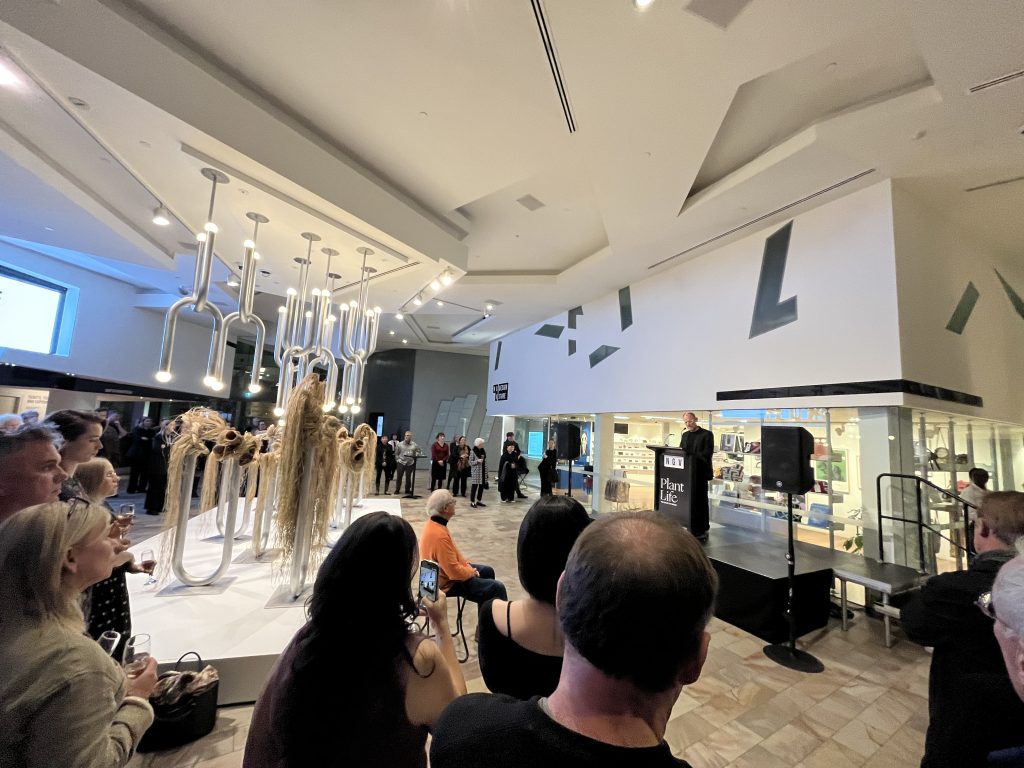
Cooperation, or the Lack of It
Two events I attended recently, on the surface, have almost nothing in common — one was an exhibitio...

Staying in the Aporia
Augustine, writing to God in Book XI of the Confessions, admits he doesn’t know what time is....
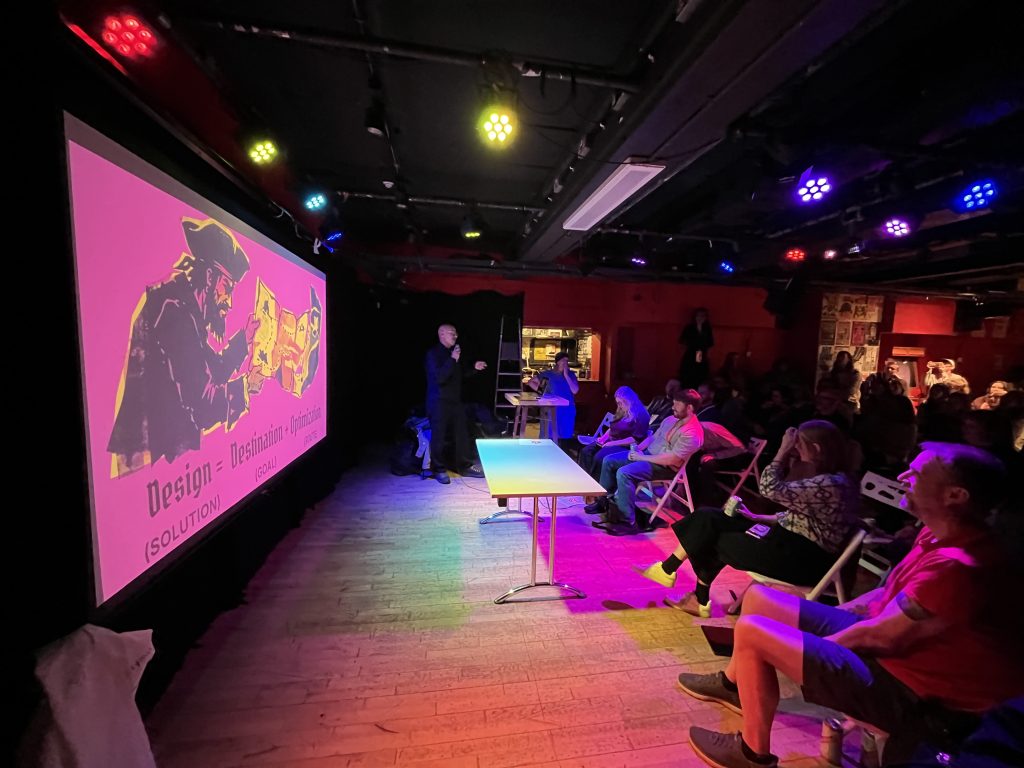
Pirate DRS 2026
Thank you to all the speakers who survived the onslaught of “walk the plank”, “pir...
Data Otherwise
Data Otherwise: More-than-Human Data Practices at DRS 2026 What if the problem with data isn’t...
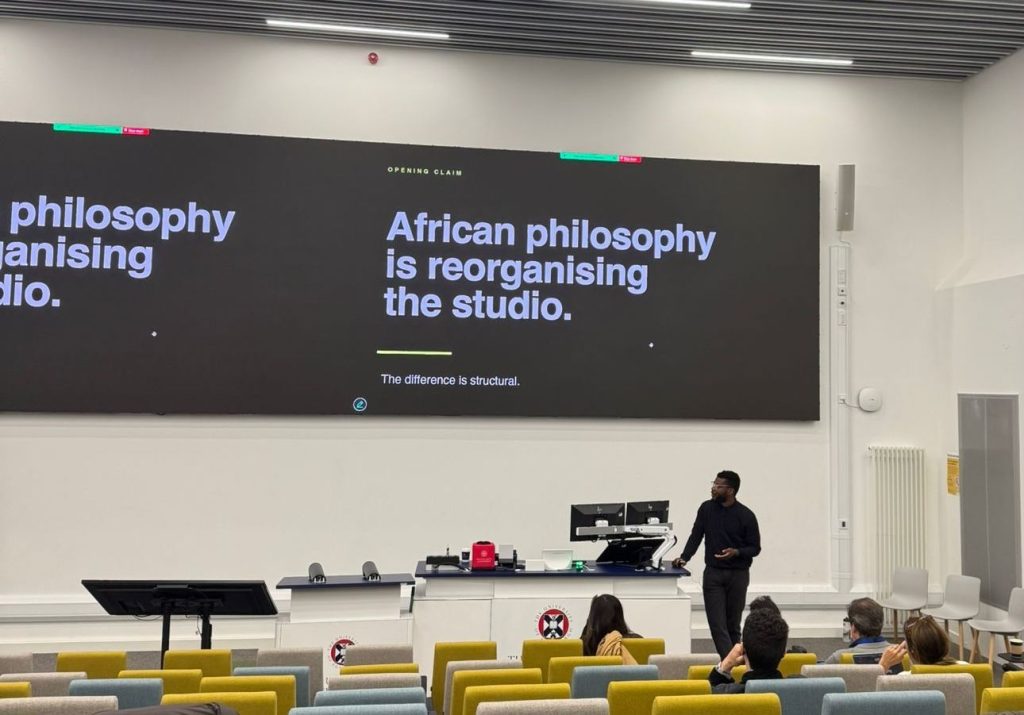
DRS 2026 summary and list of RMIT papers
I’ve been fortunate to be at DRS 2026 in Edinburgh this week, about to catch a train and then...
Making Knowledge, Fragmenting Certainty
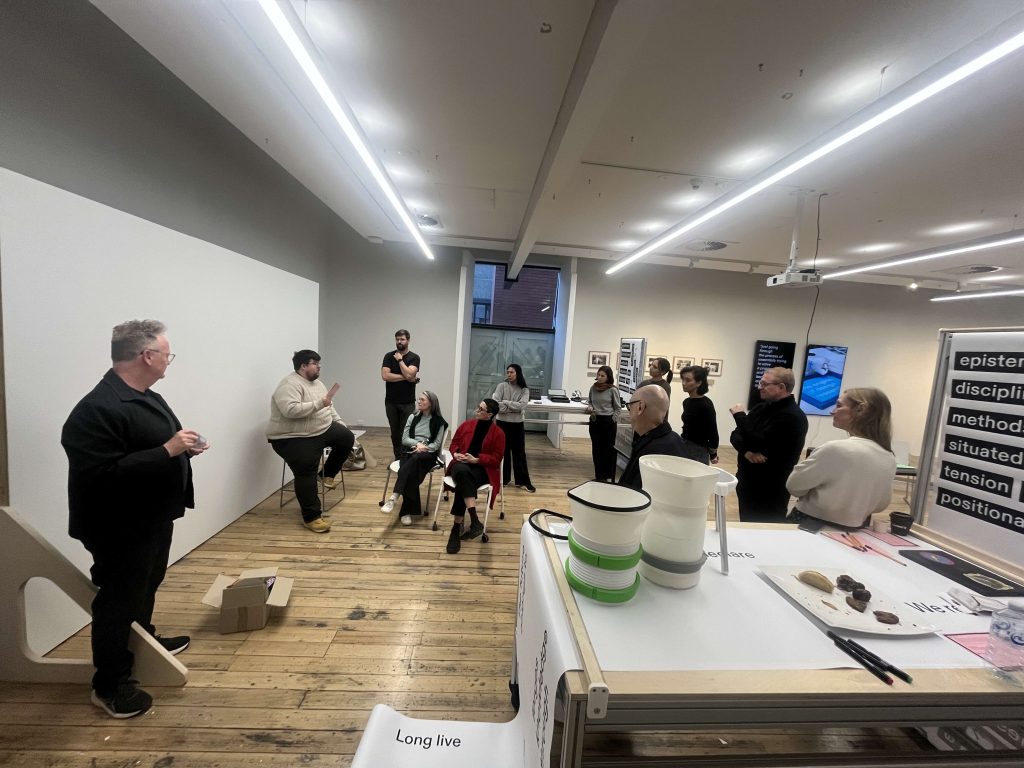
Friday 22nd, 2026 at Monash, design researchers presented artifacts from their practice—Jon McCormac...
YOU ARE NOT FEEDSTOCK
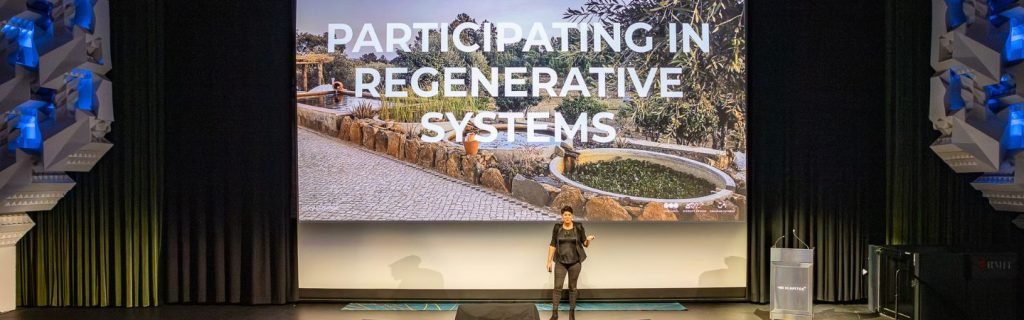
Last week at The Capitol Melbourne, we launched the RMIT Regenerative Futures Institute. I want to t...
What Doesn’t Need To Be New: Two Launches, One Week, One Paradox
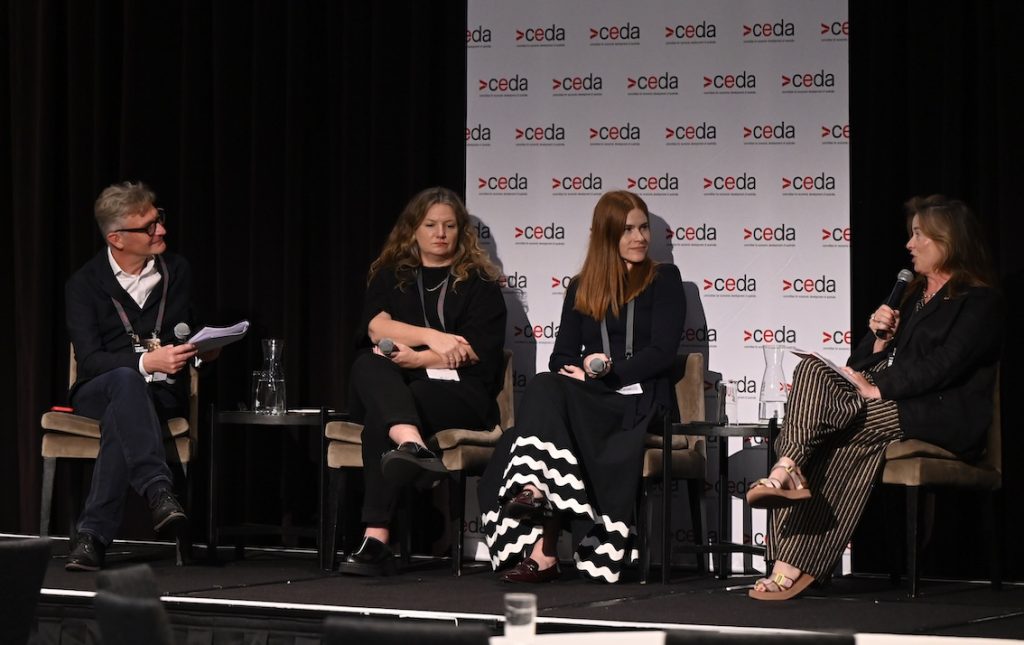
Last week brought two events exploring regenerative futures from very different angles. On one after...

What does it mean for a university to be alive?
The RSA (The royal society for arts, manufactures and commerce), RMIT’s Regenerative Futures I...
Launching RFI…!
Universities are extraordinarily good at adding things. Sustainability offices. Innovation hubs. Int...
Three provocations on designing futures worth watching / reflecting…
Over recent weeks, we’ve been hosting talks from visitors who come through Melbourne. Always fun to...
What Would It Take to Read the Label?
February’s Futures Collider at RFI put three provocations in a room and asked people to act ou...
What Gets Counted When Institutions Choose Speed
Two Sessions at FACT 2026 Reflections on qualitative knowledge, AI efficiency pressures, and what ge...
Two Rooms, Two Temporalities
Two events at RMIT over the past couple of weeks revisited the temporal challenges at the heart of h...

Temporal Traps
Ending the year between collapse and care: three December gatherings on time, action, and giving bac...

Rep / Non-Rep & Foreclosure
Catching up with things, and the first of two posts this week, reflecting on events last week. Stayi...