Two Rooms, Two Temporalities
Two events at RMIT over the past couple of weeks revisited the temporal challenges at the heart of how we think about planetary futures.
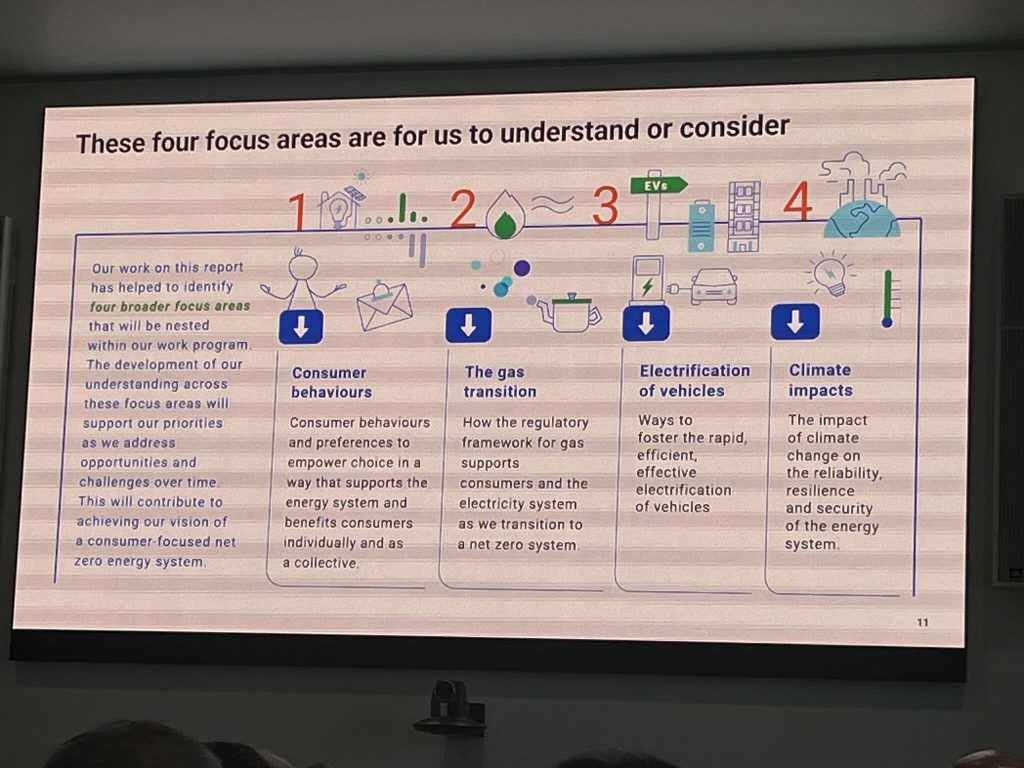
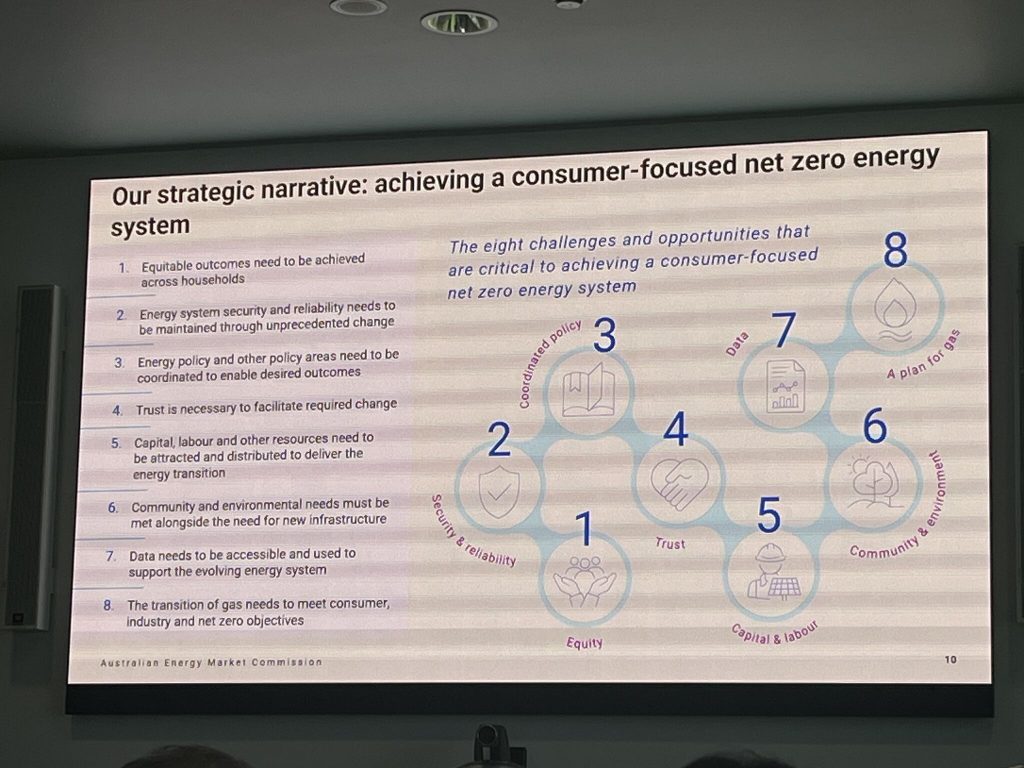
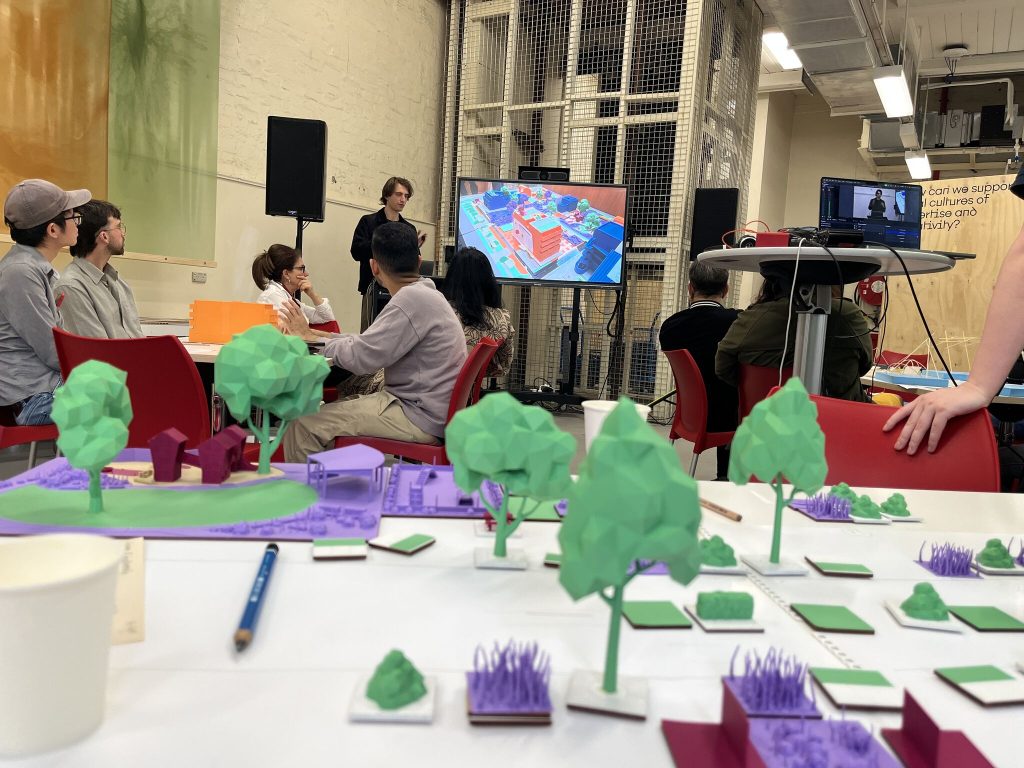
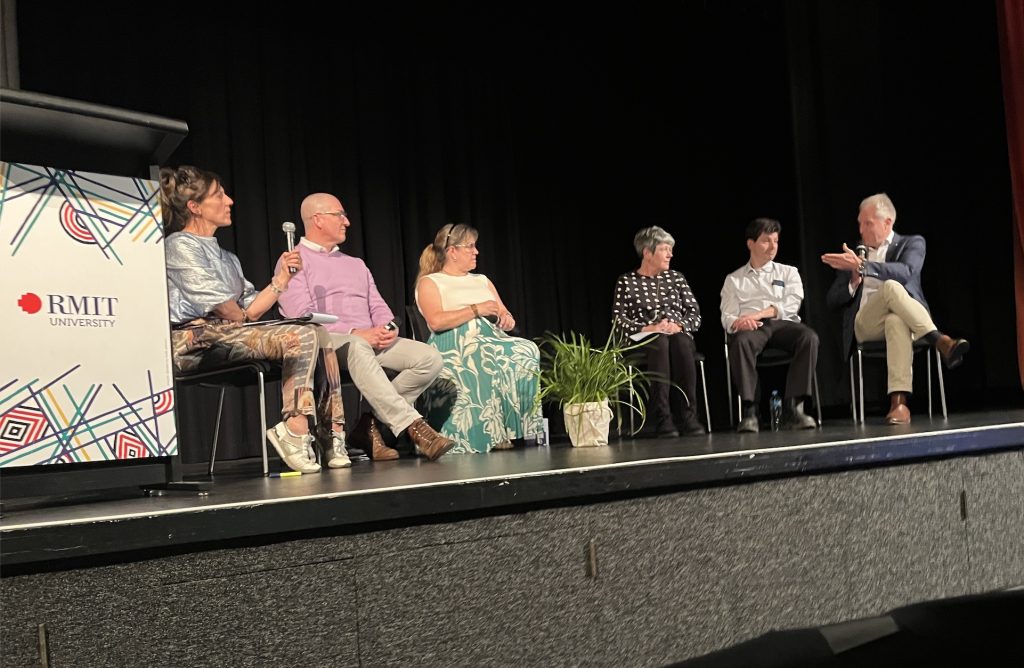
The launch of Energy@RMIT led by A/Prof Anne Kallies and Calum Drummond AO brought together 200 researchers spanning engineering, economics, law and social science around a shared challenge: how to make energy transition work in practice. Guest speaker Victoria Mollard, from the Australian Energy Market Commission (AEMC), presented their strategic framework, that offered an unusually designerly framing that explained how their decisions were made at pace, in conditions of deep uncertainty, and relied upon imagination (perhaps futuring) to reach viable policy. And yet the temporal frame remained resolutely market-scaled.
A Different Measure of Time
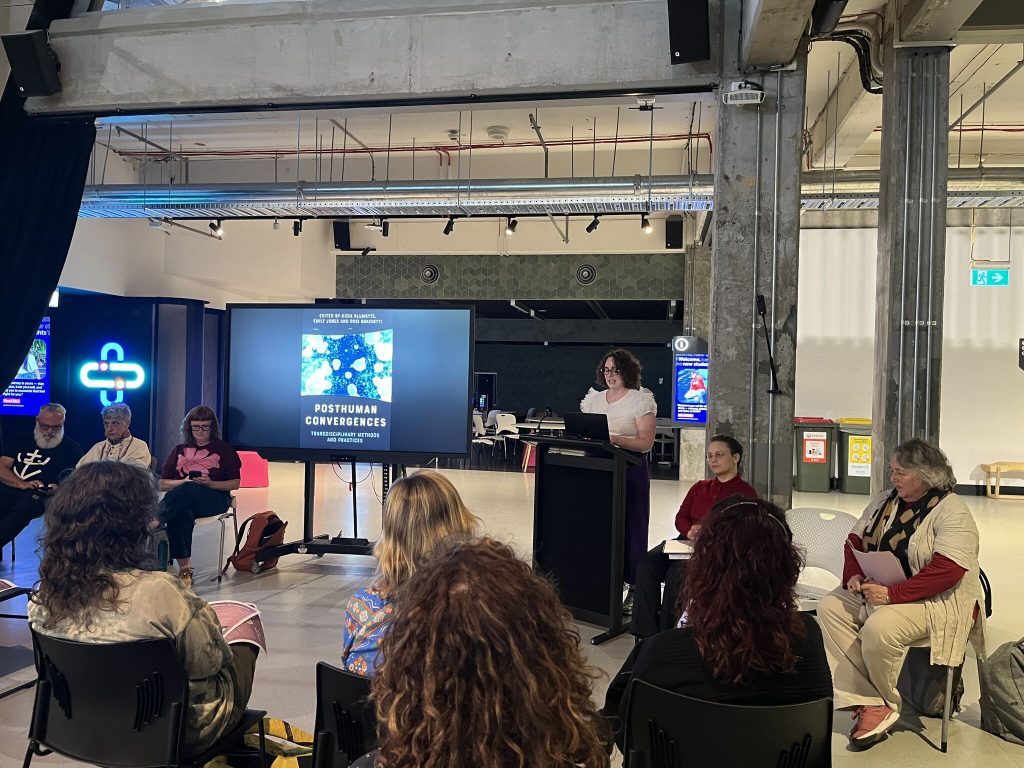
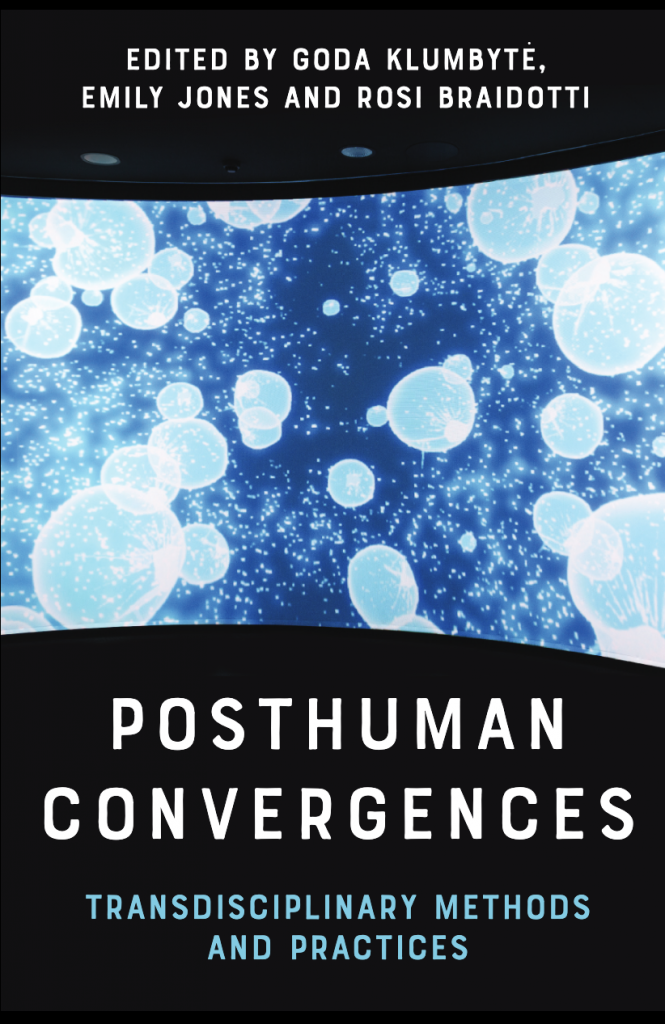
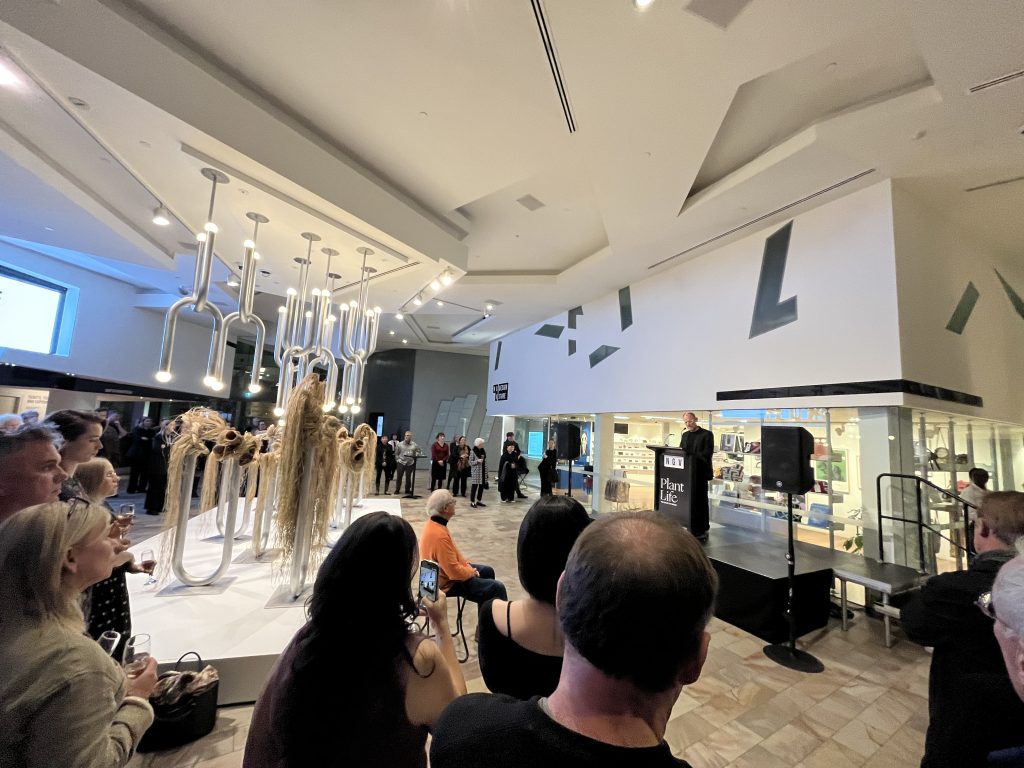
Days earlier, the launch of the Post-Human Convergences book opened with N’Arwee’t Professor Carolyn Briggs AM speaking of the deep knowledge measured not in policy cycles but in millions of years of landscape. Knowledge carrying the responsibility of continuation across generations. A completely different relationship to time and to transition.
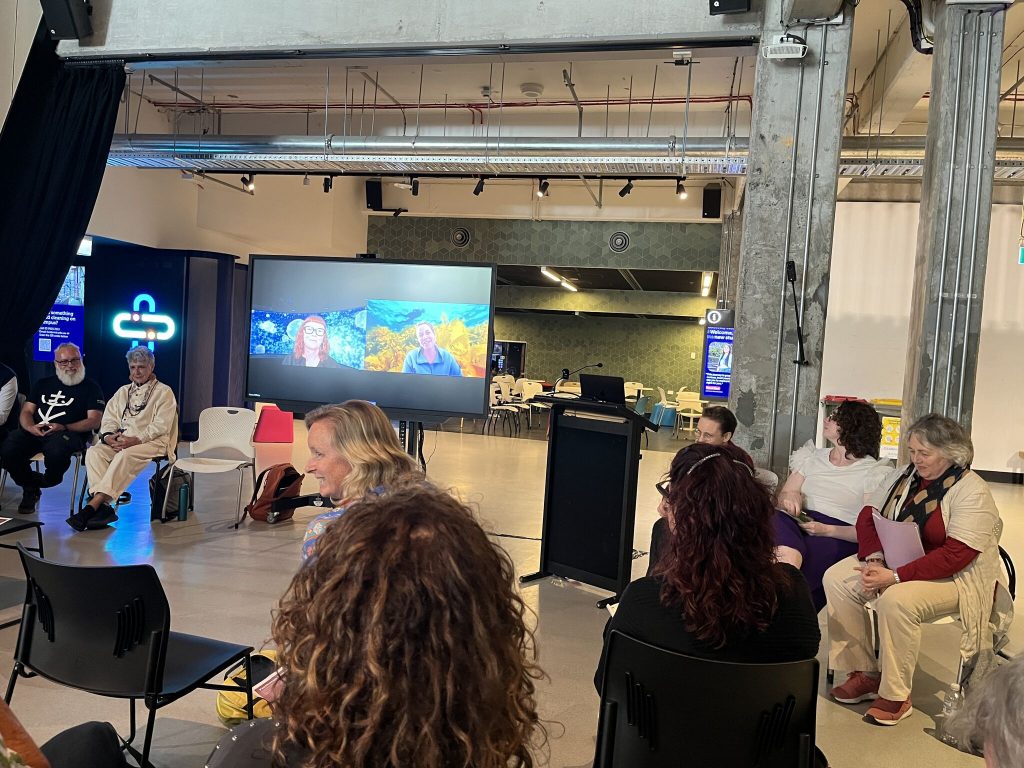
Rosi Braidotti, described learning to become an ancestor, relinquishing, allowing what was ignited in the past to be projected into the future by others. The humanities, she argued, might now function as safeguarding the margins of that which is not accounted for – protecting that which cannot be quantified, the weirdness that neither markets can replicate.
What Imagination Actually Requires
Victoria Mollard’s appeal to imagination was genuine – but imagination bounded by market objectives and regulatory timescales is a particular kind of imagination. The posthumanism book launch offered a different definition entirely: transdisciplinarity not as a method for generating implementable solutions, but as a practice of remaining open to deeper questions, unexpected outcomes, and the productive clash of knowledges that leaves linearity far behind.
The book launch proposed decolonise, decarbonise, decapitalise as deliberately entangled imperatives, not sequential challenges but convergences that reshape each other. Energy@RMIT’s opening acknowledgment of First Nations energy insecurity as both injustice and opportunity hints at this entanglement. Both events held a space for imagination, but the question remains as to whether the temporal frames we work within are wide enough to hold it.
What would energy transition look like if imagination meant working with deep time, not just market time?
Posthuman Convergences: Transdisciplinary Methods and Practices
Editors: Goda Klumbytė, Emily Jones, Rosi Braidotti. Copyright Date: 2025 Published by: Edinburgh University Press
https://www.jstor.org/stable/10.3366/jj.27710986
Related posts
Small enough to knock on the door
You’ll have to put up with as few too many posts from me during the Energy Futures season for RMIT R...
The Model Is the Problem, Not the Technology
A Speedy report back on last nights opening RMIT Regenerative Futures Institute Explainer event that...
Cooperation, or the Lack of It
Two events I attended recently, on the surface, have almost nothing in common — one was an exhibitio...

Staying in the Aporia
Augustine, writing to God in Book XI of the Confessions, admits he doesn’t know what time is....
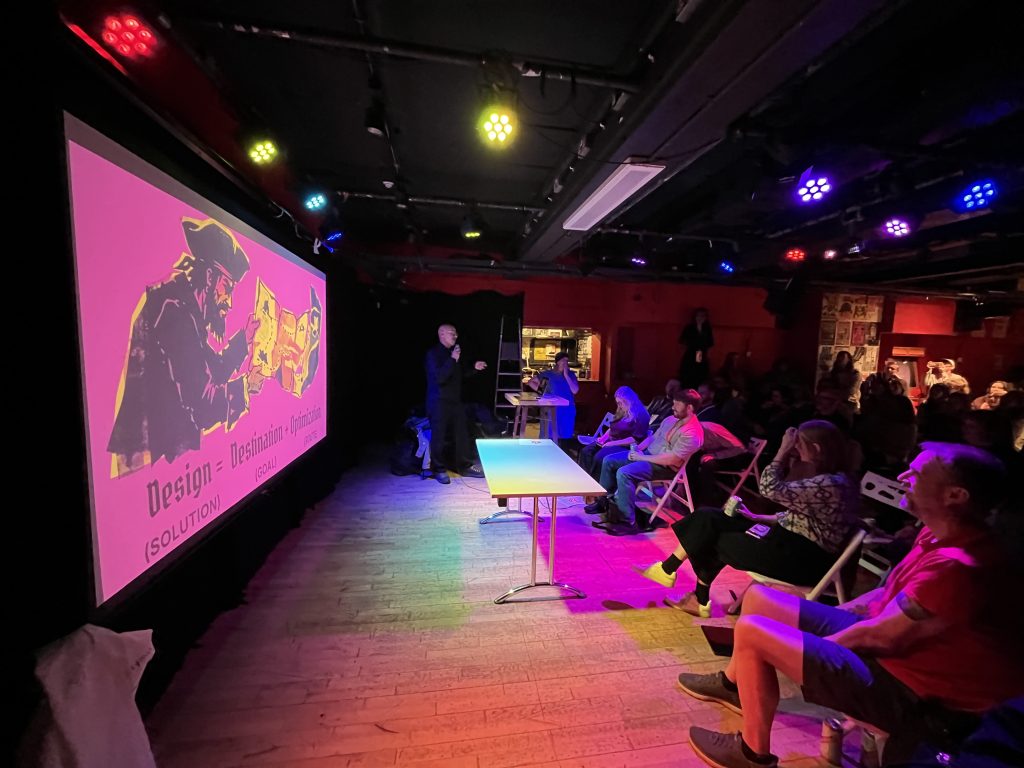
Pirate DRS 2026
Thank you to all the speakers who survived the onslaught of “walk the plank”, “pir...
Data Otherwise
Data Otherwise: More-than-Human Data Practices at DRS 2026 What if the problem with data isn’t...
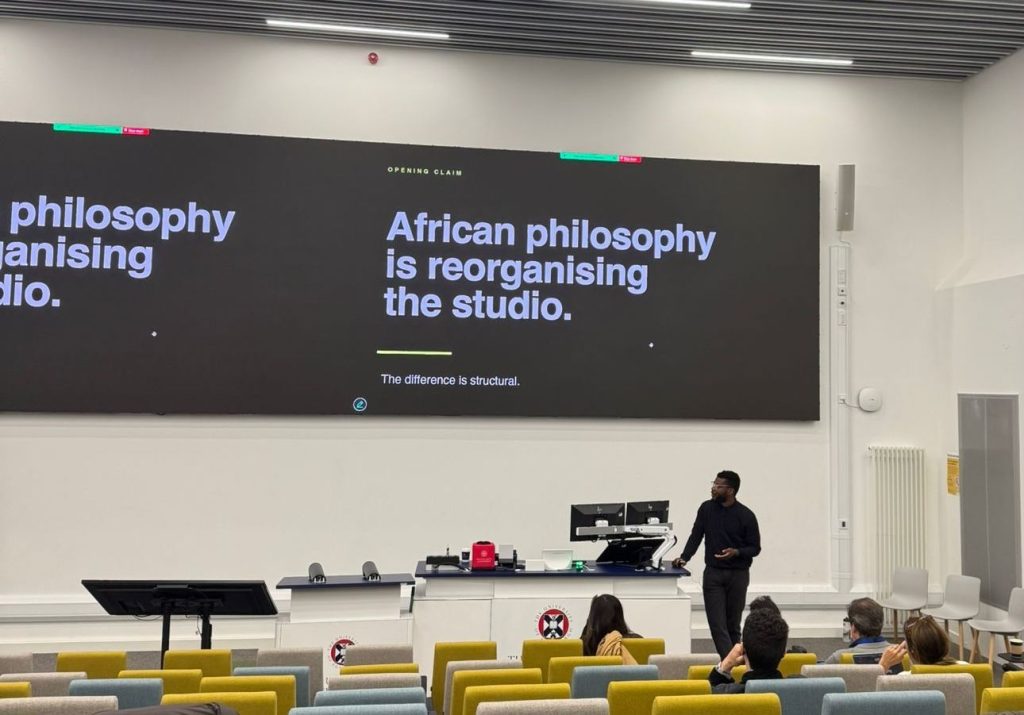
DRS 2026 summary and list of RMIT papers
I’ve been fortunate to be at DRS 2026 in Edinburgh this week, about to catch a train and then...
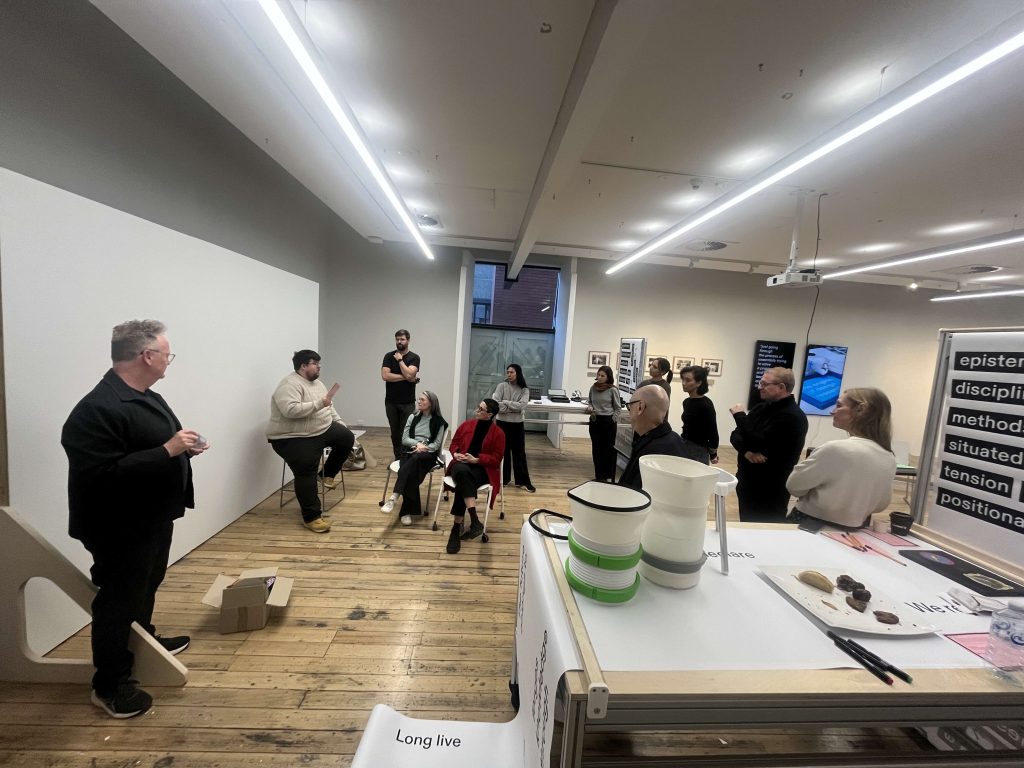
Making Knowledge, Fragmenting Certainty
Friday 22nd, 2026 at Monash, design researchers presented artifacts from their practice—Jon McCormac...
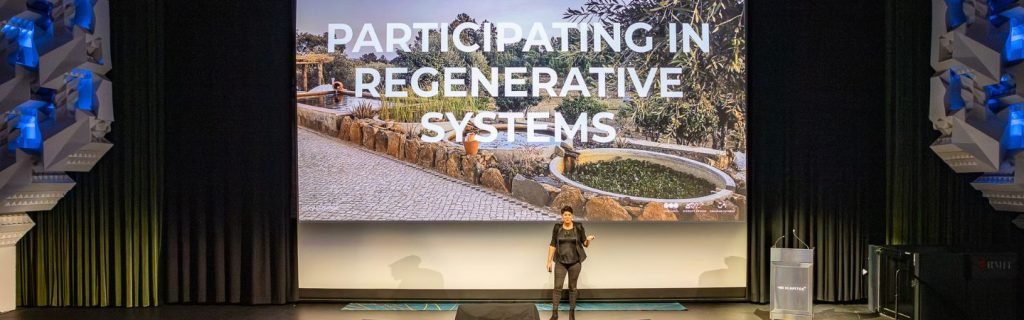
YOU ARE NOT FEEDSTOCK
Last week at The Capitol Melbourne, we launched the RMIT Regenerative Futures Institute. I want to t...
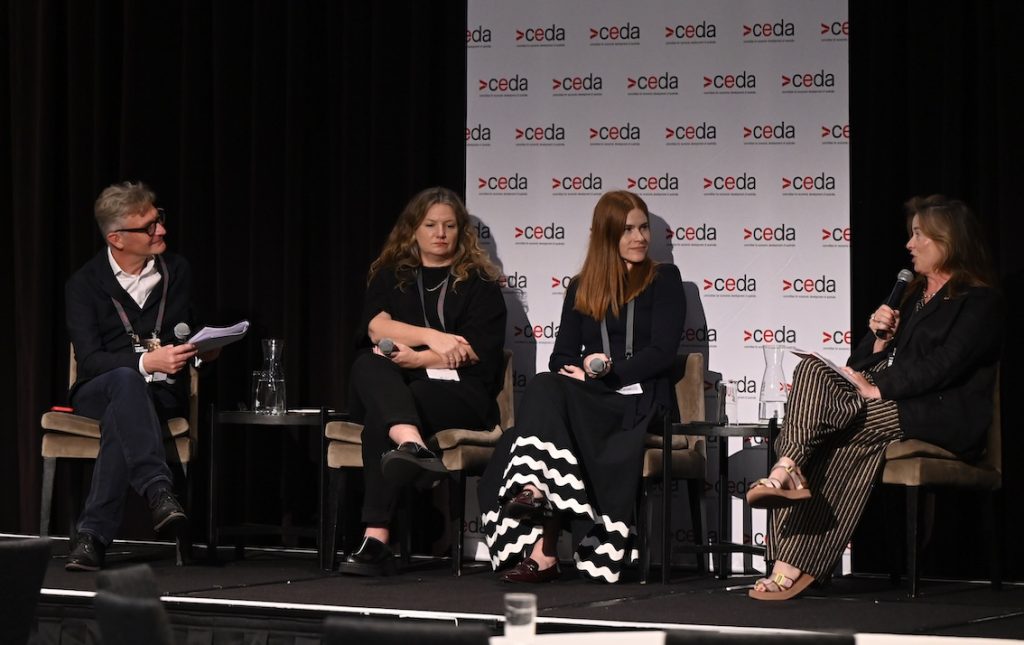
What Doesn’t Need To Be New: Two Launches, One Week, One Paradox
Last week brought two events exploring regenerative futures from very different angles. On one after...

What does it mean for a university to be alive?
The RSA (The royal society for arts, manufactures and commerce), RMIT’s Regenerative Futures I...
Launching RFI…!
Universities are extraordinarily good at adding things. Sustainability offices. Innovation hubs. Int...
Three provocations on designing futures worth watching / reflecting…
Over recent weeks, we’ve been hosting talks from visitors who come through Melbourne. Always fun to...
What Would It Take to Read the Label?
February’s Futures Collider at RFI put three provocations in a room and asked people to act ou...
What Gets Counted When Institutions Choose Speed
Two Sessions at FACT 2026 Reflections on qualitative knowledge, AI efficiency pressures, and what ge...

Temporal Traps
Ending the year between collapse and care: three December gatherings on time, action, and giving bac...