Small enough to knock on the door
You’ll have to put up with as few too many posts from me during the Energy Futures season for RMIT Regenerative Futures Institute whilst trying to retain my ‘two events’ produce one question approach. This time, one went through radio, live coding and electric shocks; the other through mud bricks and streetlights. Both ended up making the same argument: going smaller doesn’t just shrink a things footprint. It changes what the thing is.
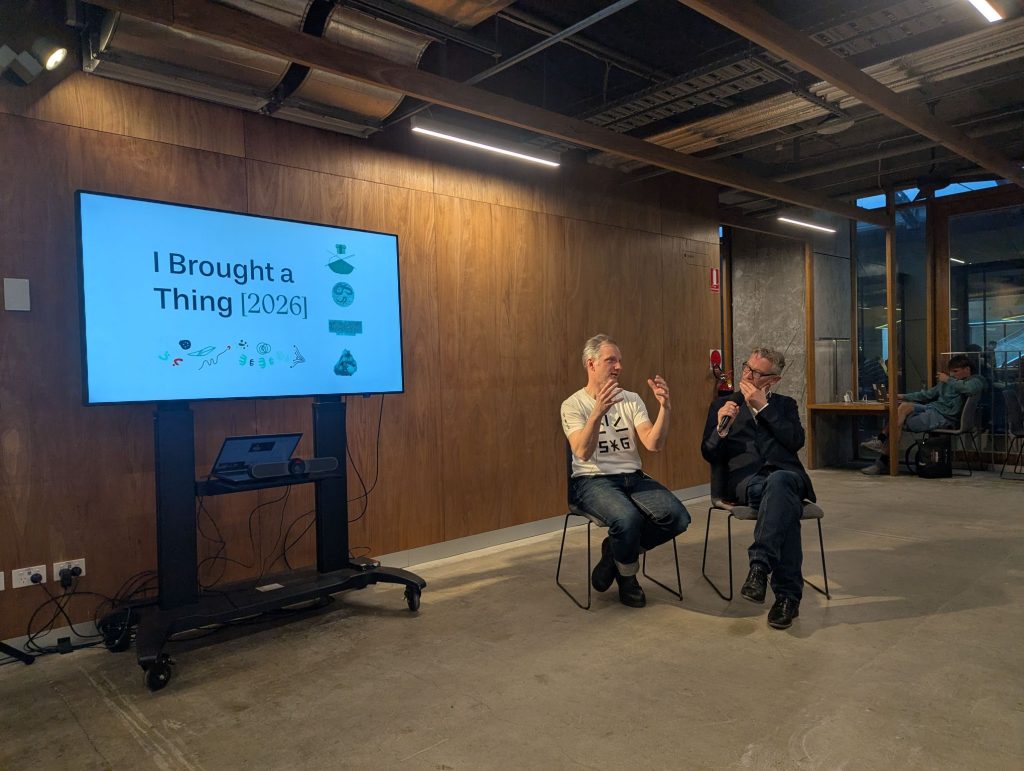
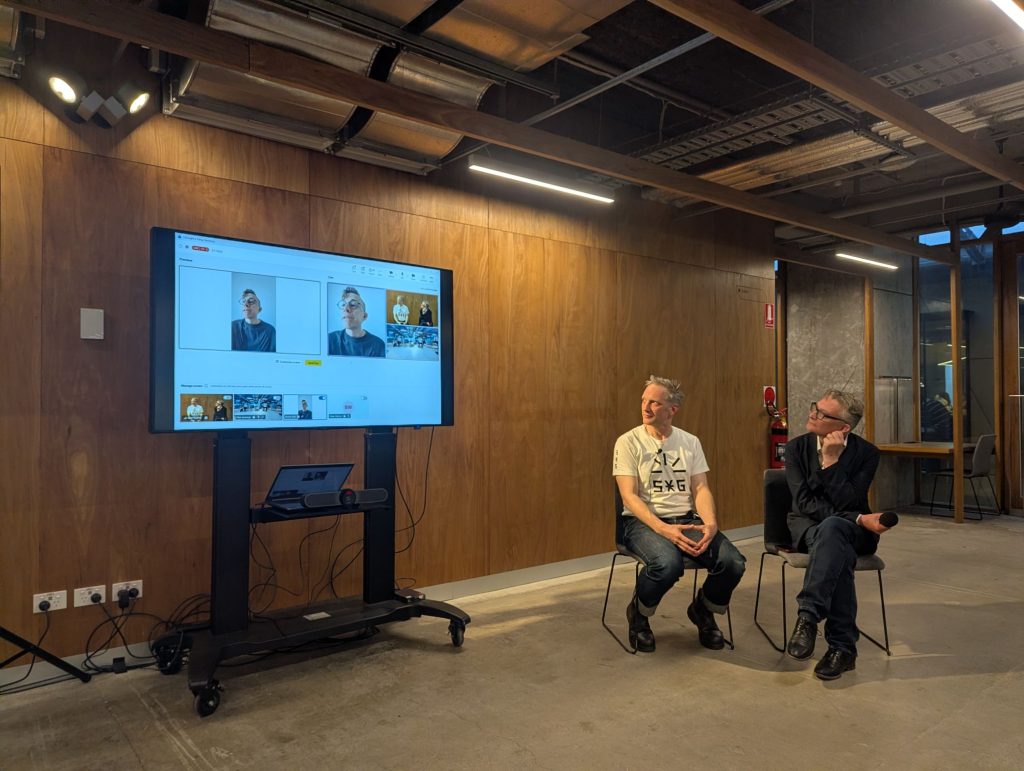
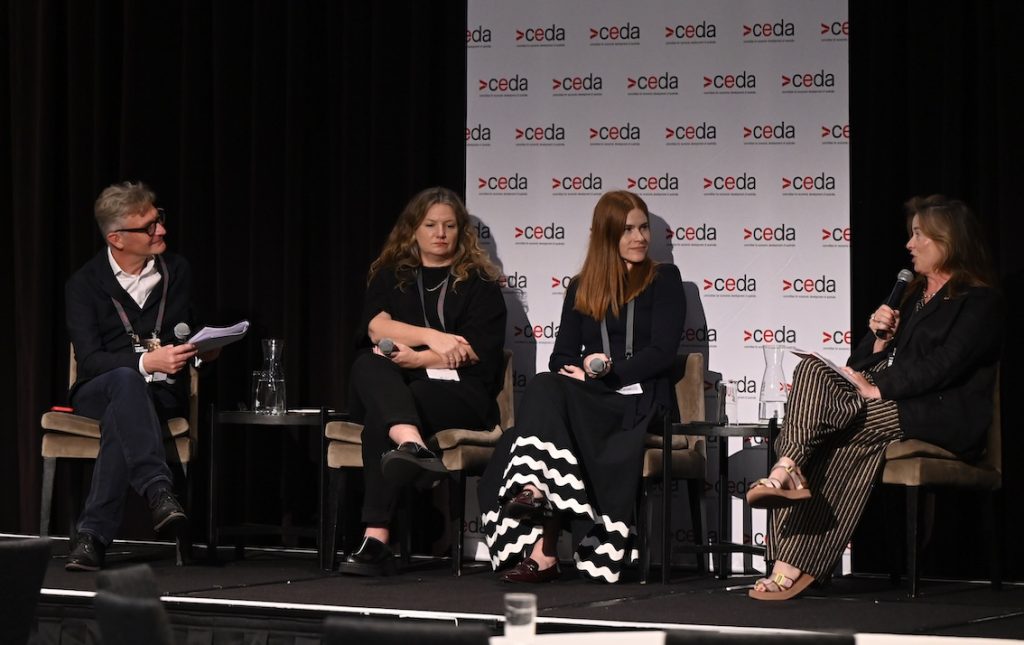
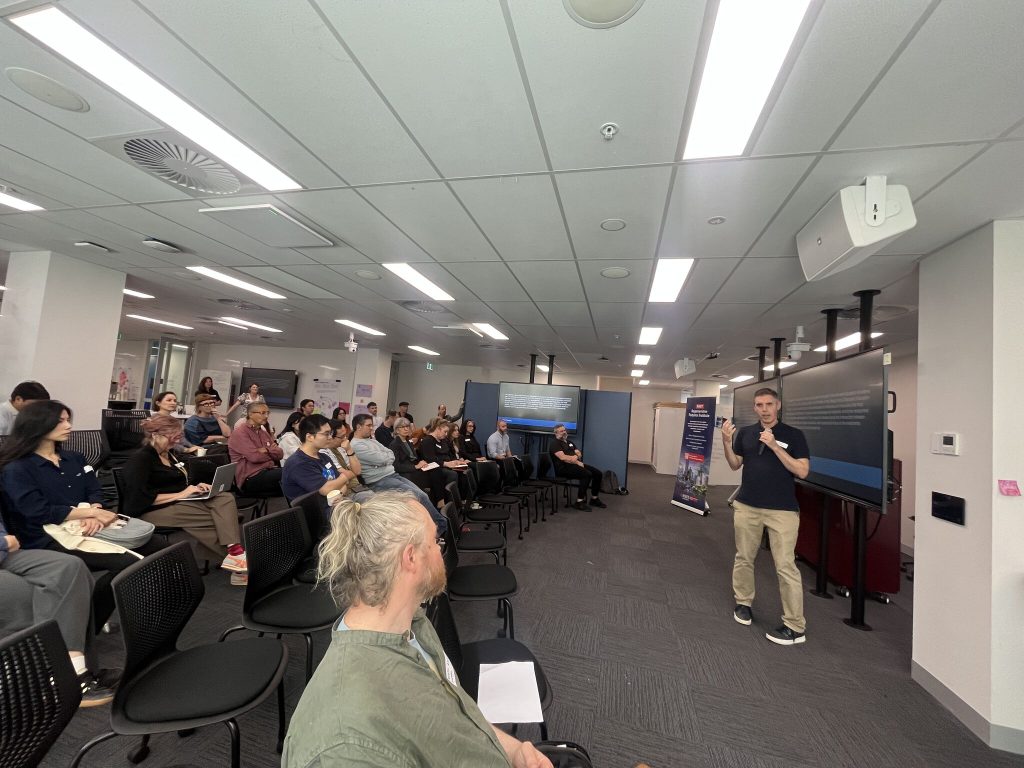
The first was the 2nd in the series of the I Brought a Thing seminar series. Jan Hendrik Brueggemeier told the story of Tetsuo Kogawa, who found a loophole in Japanese radio law. Transmitters under one watt, reserved for gadgets like garage door openers, needed no licence, yet in Tokyo they still reached about 500 metres. Broadcasting became narrowcasting, and hundreds of micro stations appeared in the 1980s. You werent speaking to millions; whoever was listening might come and knock on your door. Jan applies the same logic to solar-powered websites that simply go offline when the sun does. Renick Bell, joining from RMIT University Vietnam, argued that energy systems should be designed to improvise and fit their context. His example was fish ladders built for European salmon that fail the Mekongs smaller fish.
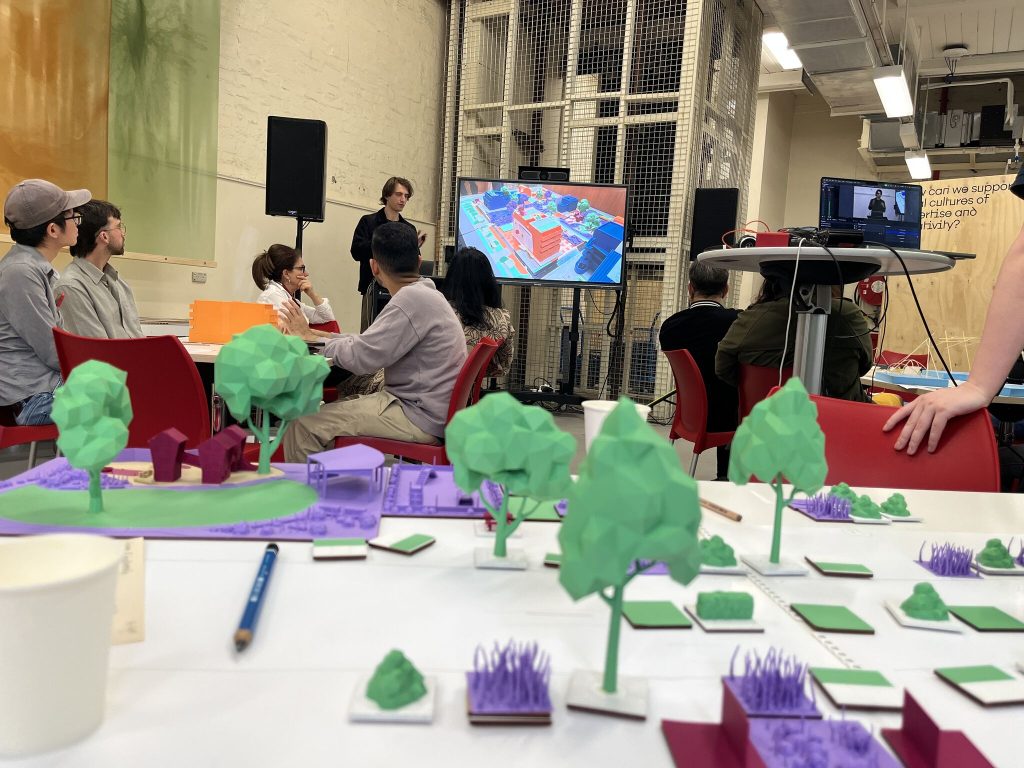
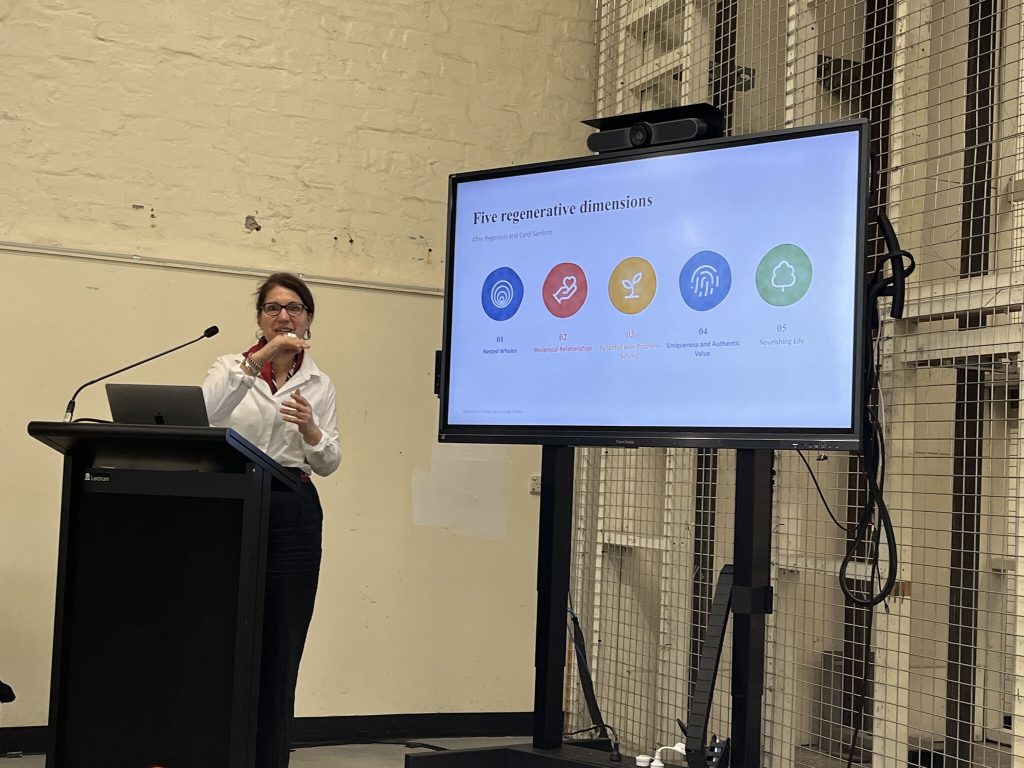
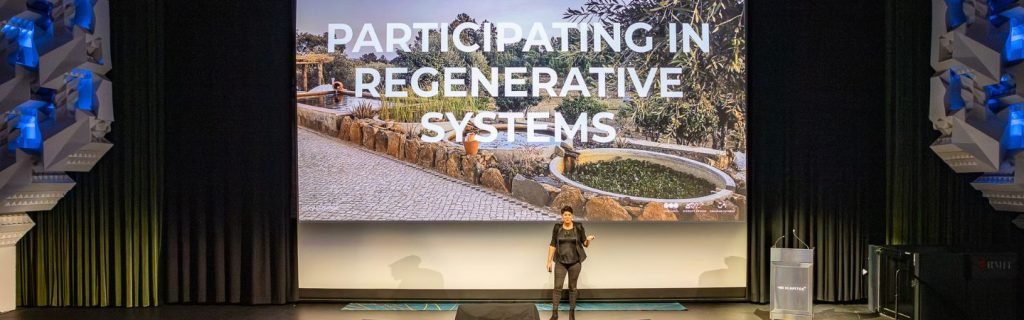
In the second, Nadine Samaha introduced the Regenerative Design as an Energy System event, with architect Allen Kong, First Nations Director of Allen Kong Architect‘s who revisited his work on the family therapy units at Odyssey House, built partly by residents in recovery, using mud bricks made on site. The bricks were deliberately small: light enough for a limited workforce, and able to follow curved walls. The making became part of the care. Cristina Hernández Santín then reframed energy as relationships, starting with street lighting. Our need to feel safe at night overrides thousands of species that navigate by moonlight. Her fixes are modest: aim light only where its needed, lower the intensity, warm the colour, add timers.
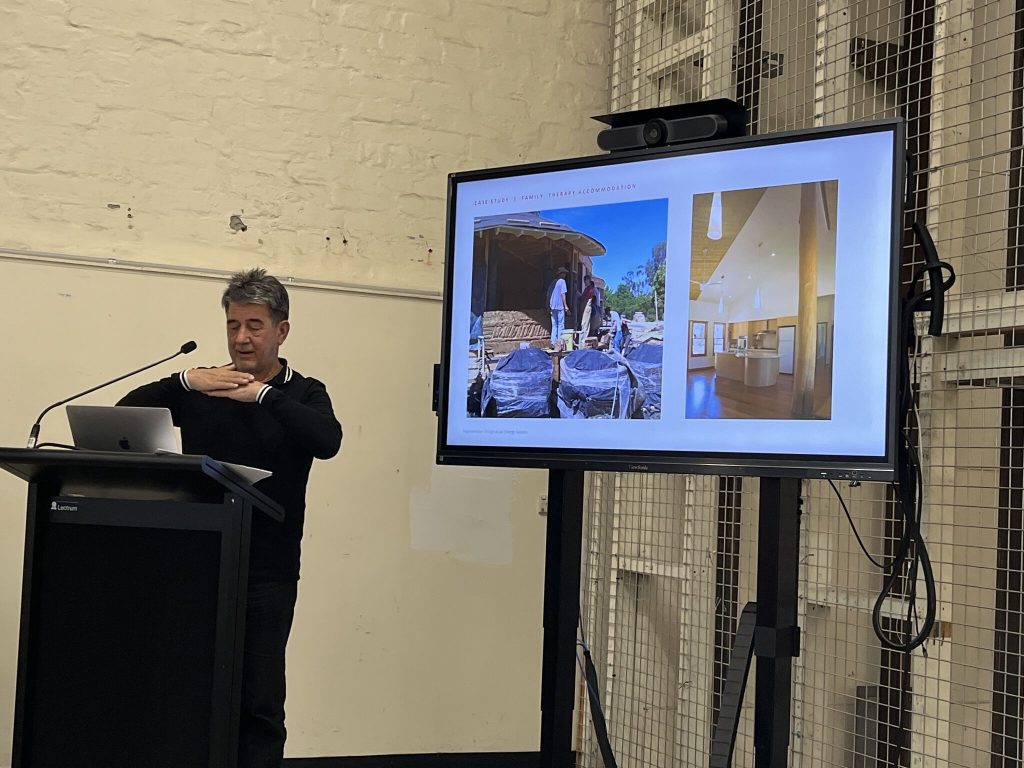
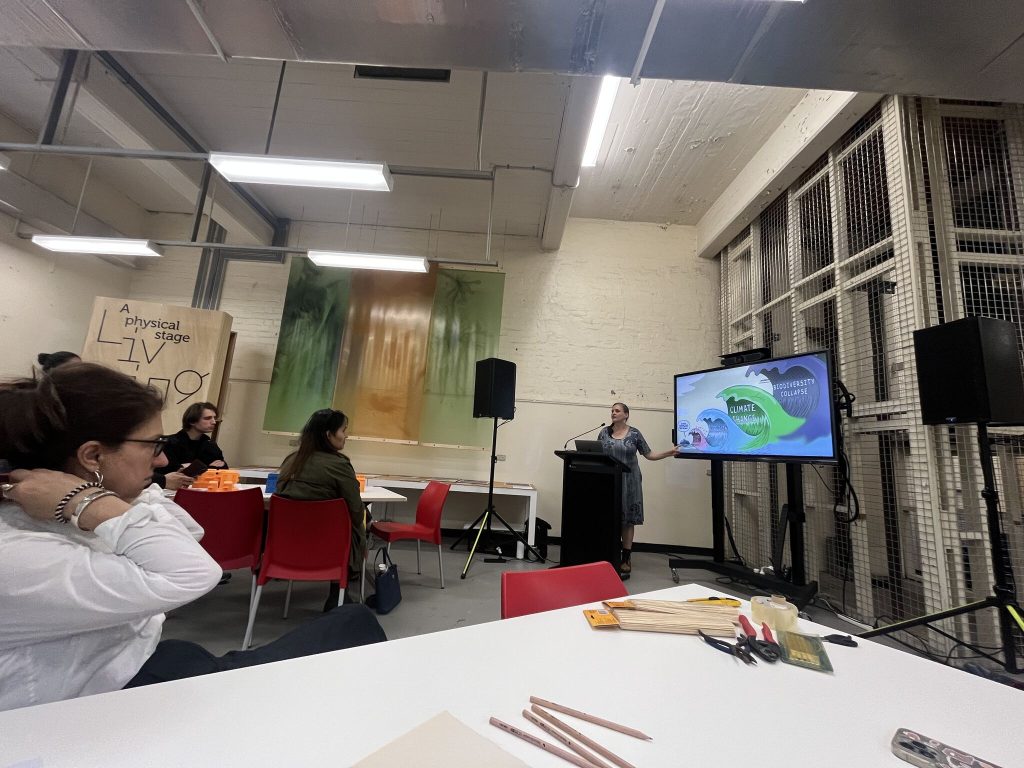
Side by side, the one-watt transmitter, the hand-sized brick and the dimmed streetlight are doing the same work. Each accepts a limit, and the limit restores relationships that scale had erased. Listeners become neighbours, residents become builders, and the street is shared again with what lives in the dark.
Which leaves a question sitting between a one-watt transmitter and a hand-made brick: what would we build if we judged an energy system not by how far it reaches, but by who can still knock on the door?
Thanks to all of the speakers and participants and Nick Adams who holds these things together for us
#regenerativefutures #energy #energyfutures #RMIT #things
Related posts
The Model Is the Problem, Not the Technology
A Speedy report back on last nights opening RMIT Regenerative Futures Institute Explainer event that...
Cooperation, or the Lack of It
Two events I attended recently, on the surface, have almost nothing in common — one was an exhibitio...

Staying in the Aporia
Augustine, writing to God in Book XI of the Confessions, admits he doesn’t know what time is....
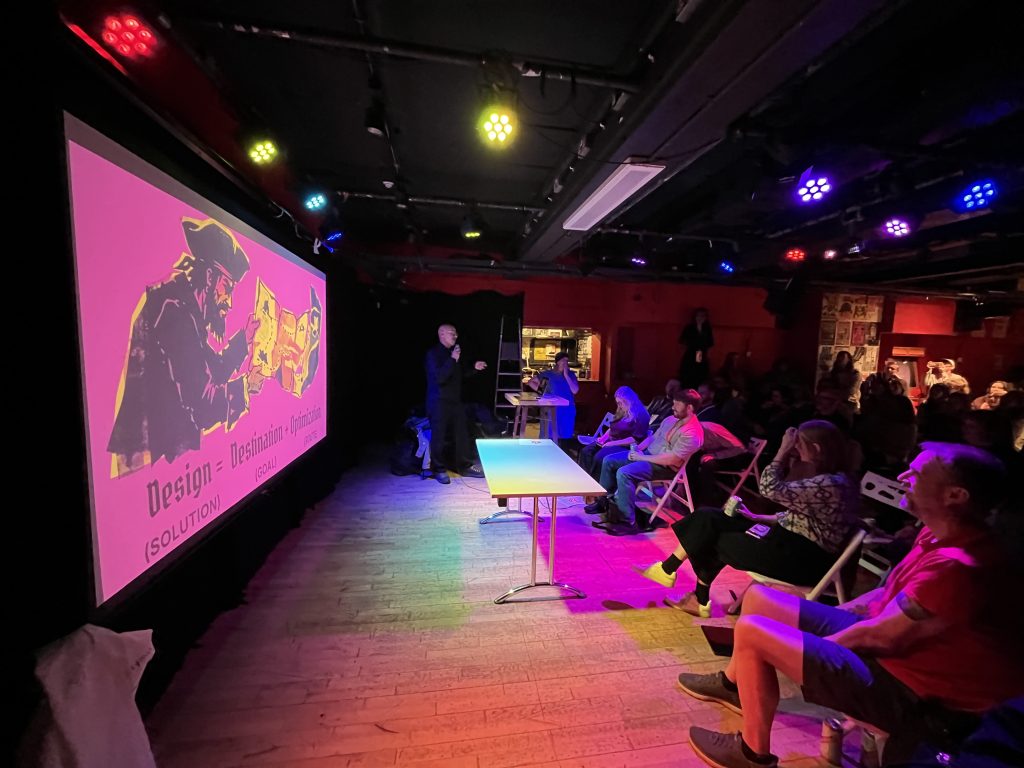
Pirate DRS 2026
Thank you to all the speakers who survived the onslaught of “walk the plank”, “pir...
Data Otherwise
Data Otherwise: More-than-Human Data Practices at DRS 2026 What if the problem with data isn’t...
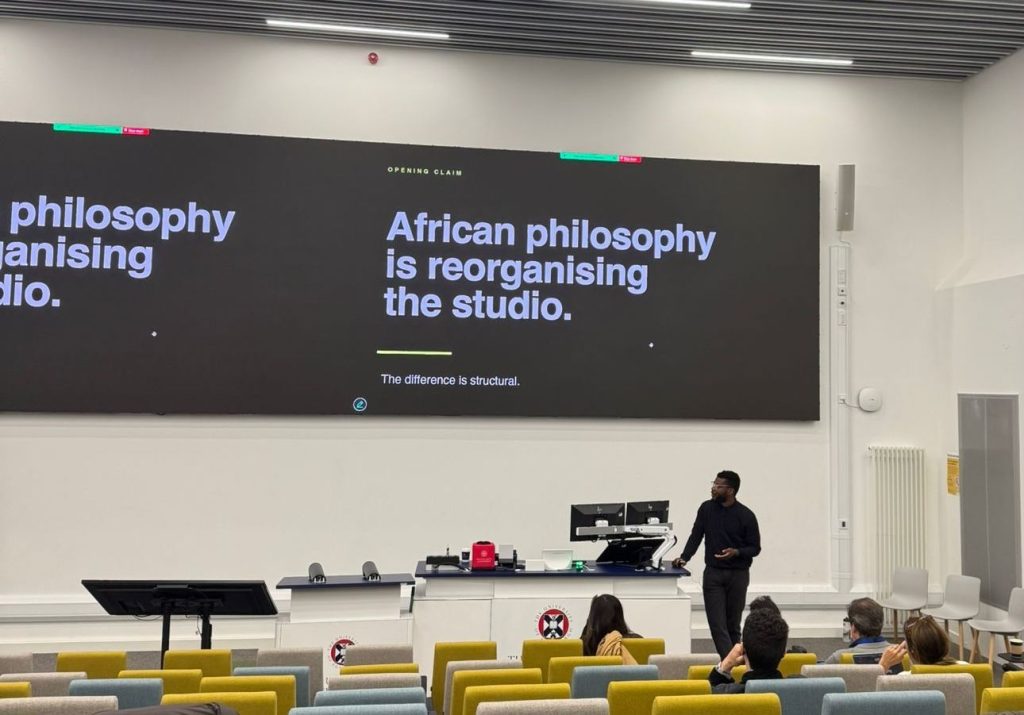
DRS 2026 summary and list of RMIT papers
I’ve been fortunate to be at DRS 2026 in Edinburgh this week, about to catch a train and then...
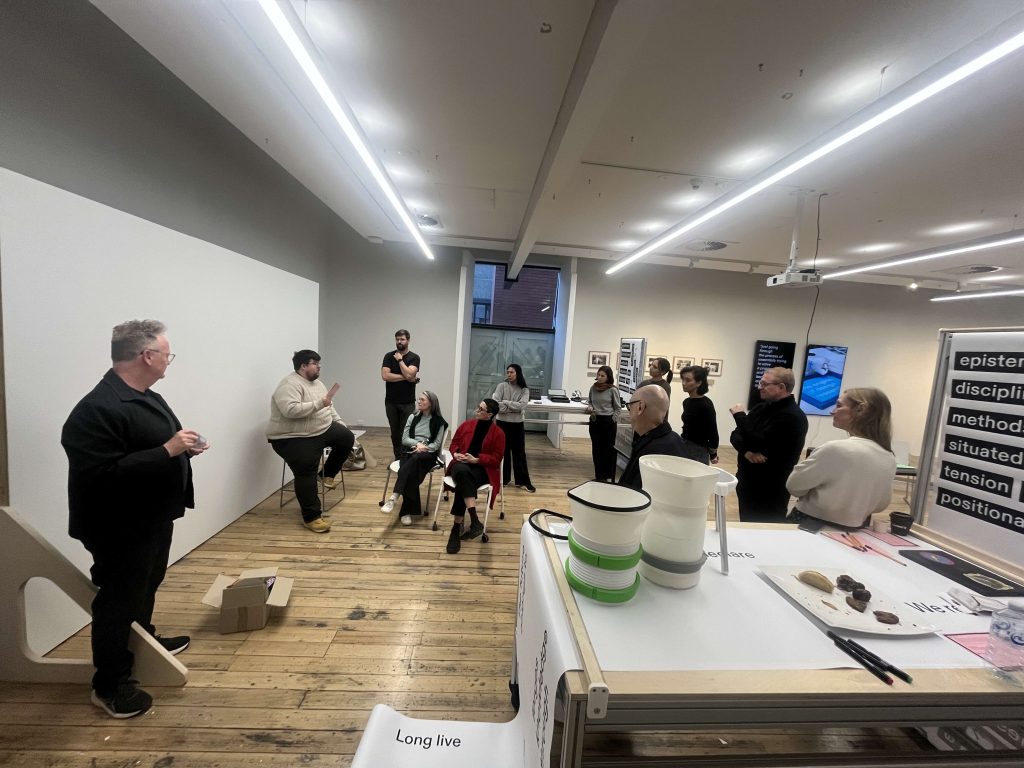
Making Knowledge, Fragmenting Certainty
Friday 22nd, 2026 at Monash, design researchers presented artifacts from their practice—Jon McCormac...
YOU ARE NOT FEEDSTOCK
Last week at The Capitol Melbourne, we launched the RMIT Regenerative Futures Institute. I want to t...
What Doesn’t Need To Be New: Two Launches, One Week, One Paradox
Last week brought two events exploring regenerative futures from very different angles. On one after...

What does it mean for a university to be alive?
The RSA (The royal society for arts, manufactures and commerce), RMIT’s Regenerative Futures I...
Launching RFI…!
Universities are extraordinarily good at adding things. Sustainability offices. Innovation hubs. Int...
Three provocations on designing futures worth watching / reflecting…
Over recent weeks, we’ve been hosting talks from visitors who come through Melbourne. Always fun to...
What Would It Take to Read the Label?
February’s Futures Collider at RFI put three provocations in a room and asked people to act ou...
What Gets Counted When Institutions Choose Speed
Two Sessions at FACT 2026 Reflections on qualitative knowledge, AI efficiency pressures, and what ge...
Two Rooms, Two Temporalities
Two events at RMIT over the past couple of weeks revisited the temporal challenges at the heart of h...

Temporal Traps
Ending the year between collapse and care: three December gatherings on time, action, and giving bac...