Energy Past/Present/Futures
I wrote the first version of this from an odd place in time, a week after one event and a few hours before another, with one already in the past and the other not yet written. I wasn’t even going to be at the second. I was on holiday in the Daintree, relatively “Out of Time” (still the best REM album?), and I was conscious that unless I washed up after the first event, I wouldn’t be able to point people properly towards the last one of the season. A few weeks on, that in-between feeling still seems like the most honest way into what RFI’s inaugural Energy Futures season was trying to do, which was to ask what it would mean to move from extracting energy to regenerating it.
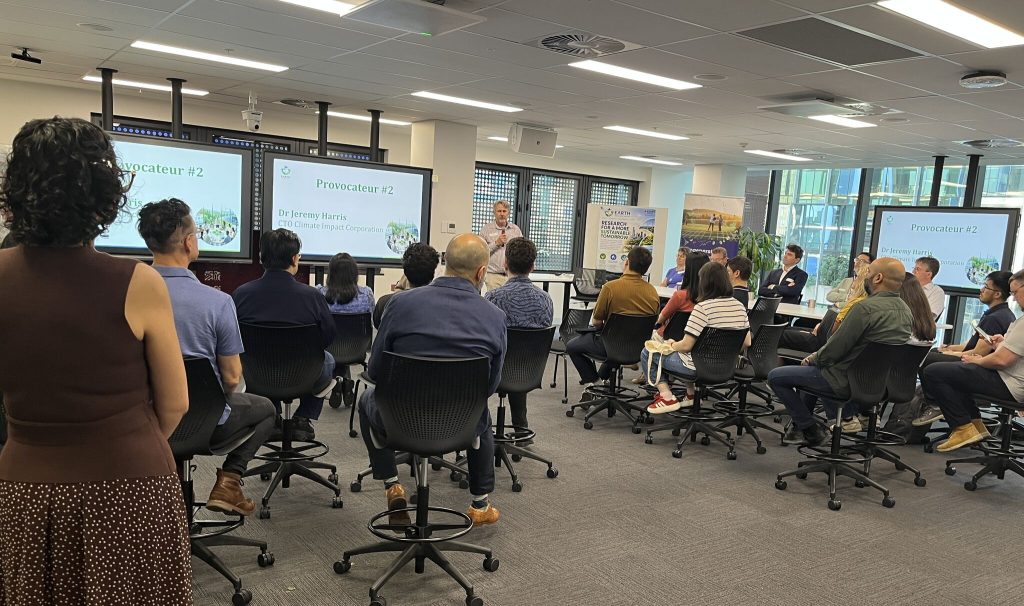
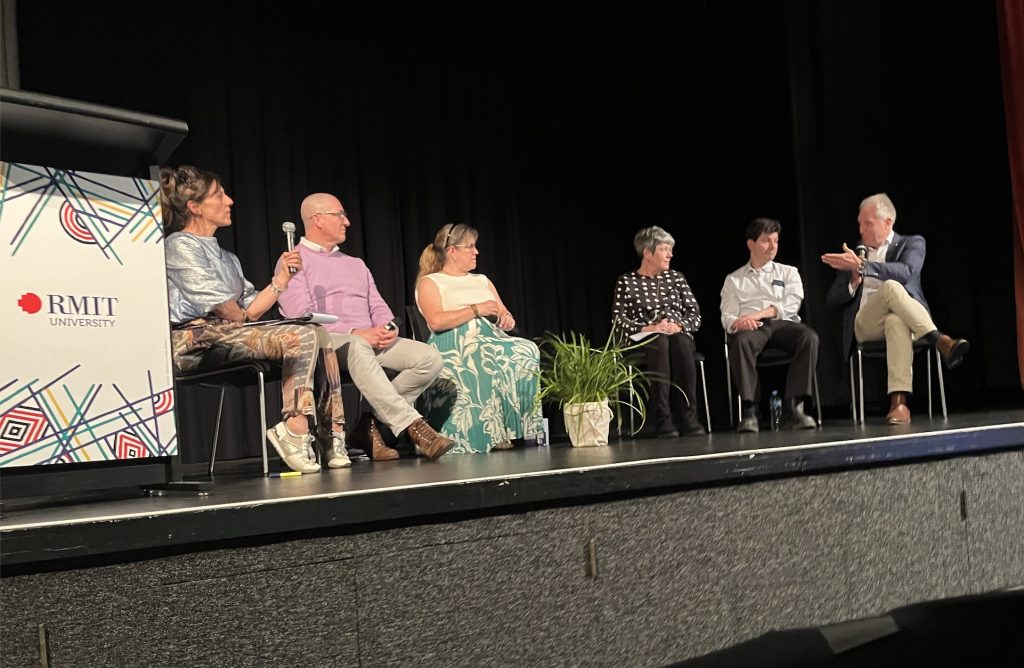
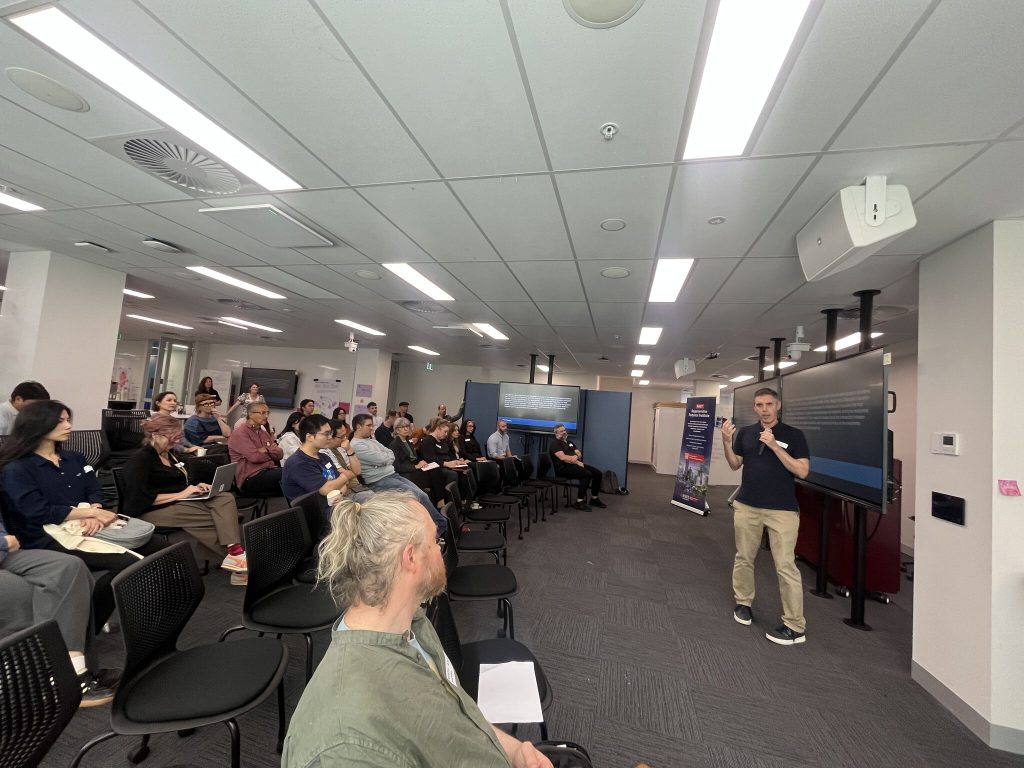
The Design Collider, run with the EARTH Research Group to launch the new Regenerative Futures Design Canvas, was, fittingly, all about time. Kristian Gjoka from Enel X argued that the energy transition is no longer just a contest between cost and emissions, because new demand, much of it from data centres, is arriving faster than new supply can be built. Rather than racing only to build more, he asked whether we might use the grid we already have more wisely, given that it is only really stretched for a handful of hours a year, perhaps by letting new users connect early on condition that they step back when the system is under strain, which immediately opened up questions of fairness that nobody could answer easily. Dr Jeremy Harris from Climate Impact Corporation widened the frame by reminding us that electricity is only around a quarter of what Australia consumes, and showed how policies for electricity, gas and liquid fuels, each written in its own silo, leave investors unsure which future to back. David Norman from Future Fuels CRC brought home that communities are already living with the consequences of decisions made in a hurry, and Erwin Boermans from ComfortID brought his own dilemma to the tables. None of them offered neat solutions, and that was the point, because the teams were left holding the dilemmas and using the canvas to keep affordability, community acceptance and equity in view together.
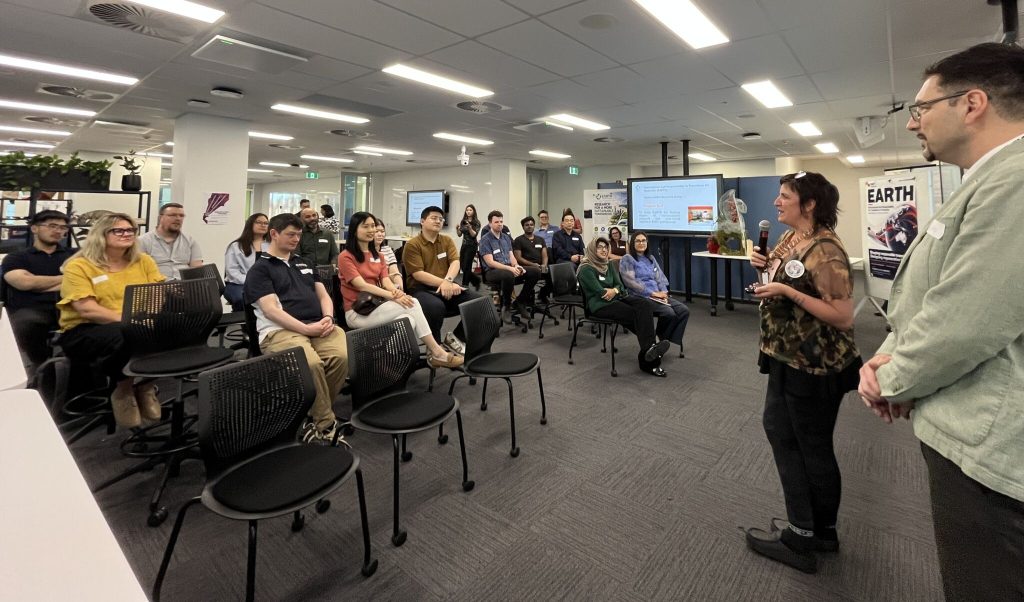
Our own Dr Carol Janson Bond signed off by taking us back to the season’s opening Explainer event, and to the observation that however we look at this, we are stuck in nineteenth-century business models that crowd out other ways of knowing. To paraphrase Carol, we have built a living economy on animals that died millions of years ago, which is perhaps the clearest way of saying that we have been running the present on the past.
I thought about that line a lot in the Daintree, which is often described as the oldest tropical rainforest on Earth, a system that has kept itself going for tens of millions of years by constantly handing on what it has to whatever comes next. It struck me as the opposite of the fossil economy, a past that is still alive in the present rather than one that has to be dug up and burned. Regeneration asks us to make that turn, and to treat the present as something we hand forward rather than something we use up.
That’s why it felt right that the season ended not with a keynote but with a blank page. The RFI Community Forum, facilitated by Leyla Acaroglu, was a working session to co-design a Community of Practice for Melbourne, deciding together how we gather, how we govern ourselves and which projects we take on. [What happened at the forum: what the room decided or what surprised people, and what comes next.] I wasn’t in the room, which feels oddly appropriate, because a community worth building shouldn’t depend on any one person being there. What matters is that the part that hadn’t happened yet is now being written by many hands.
Related posts
Hired by the Trees: Agents, Principals and Whose Data Sets the Goals
Every so often two events land close enough together that they start talking to each other, and the...

Tearing up Wild Hope, and sharing it like a meal
Two quite different events in the same week in October have stayed with me, partly because of what w...
Small enough to knock on the door
You’ll have to put up with as few too many posts from me during the Energy Futures season for RMIT R...
The Model Is the Problem, Not the Technology
A Speedy report back on last nights opening RMIT Regenerative Futures Institute Explainer event that...
Cooperation, or the Lack of It
Two events I attended recently, on the surface, have almost nothing in common — one was an exhibitio...

Staying in the Aporia
Augustine, writing to God in Book XI of the Confessions, admits he doesn’t know what time is....
Pirate DRS 2026
Thank you to all the speakers who survived the onslaught of “walk the plank”, “pir...
Data Otherwise
Data Otherwise: More-than-Human Data Practices at DRS 2026 What if the problem with data isn’t...
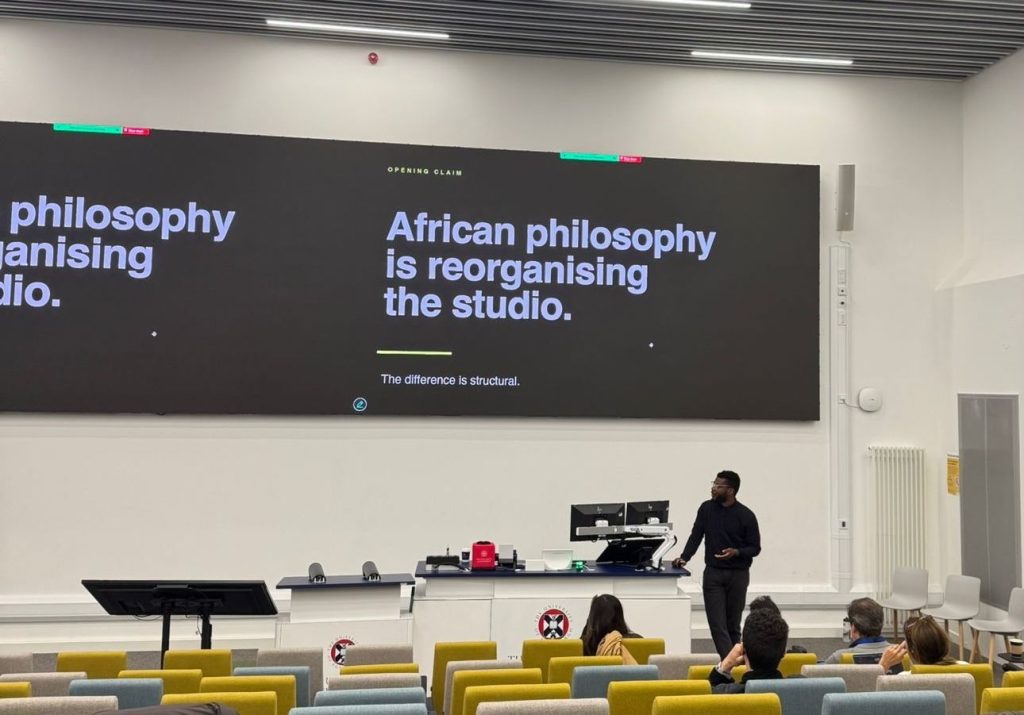
DRS 2026 summary and list of RMIT papers
I’ve been fortunate to be at DRS 2026 in Edinburgh this week, about to catch a train and then...
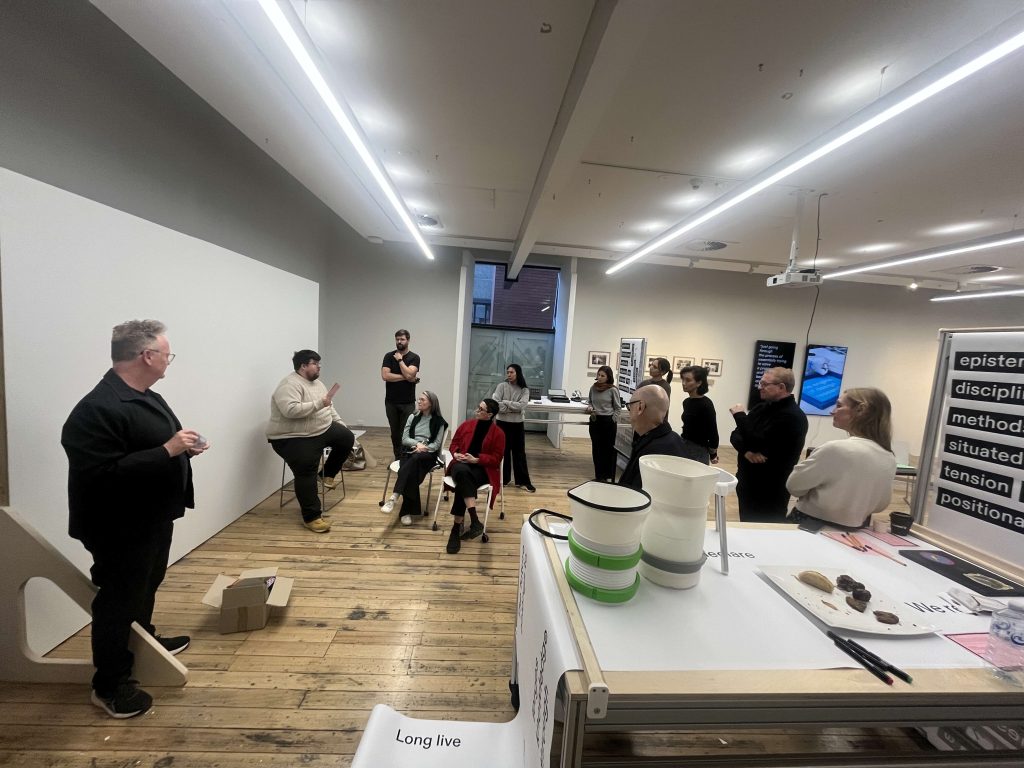
Making Knowledge, Fragmenting Certainty
Friday 22nd, 2026 at Monash, design researchers presented artifacts from their practice—Jon McCormac...
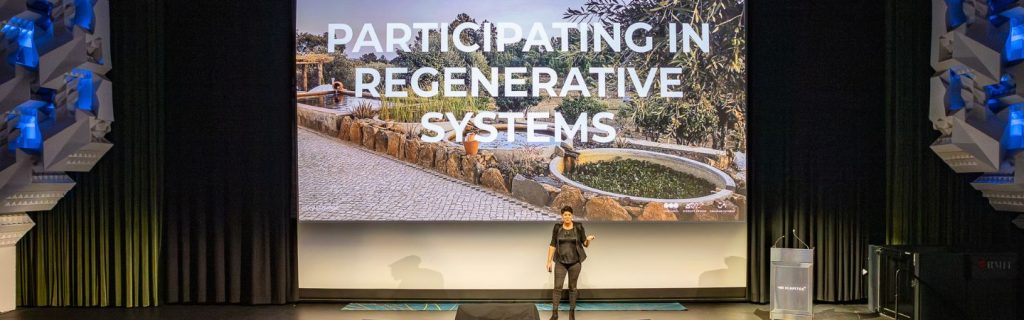
YOU ARE NOT FEEDSTOCK
Last week at The Capitol Melbourne, we launched the RMIT Regenerative Futures Institute. I want to t...
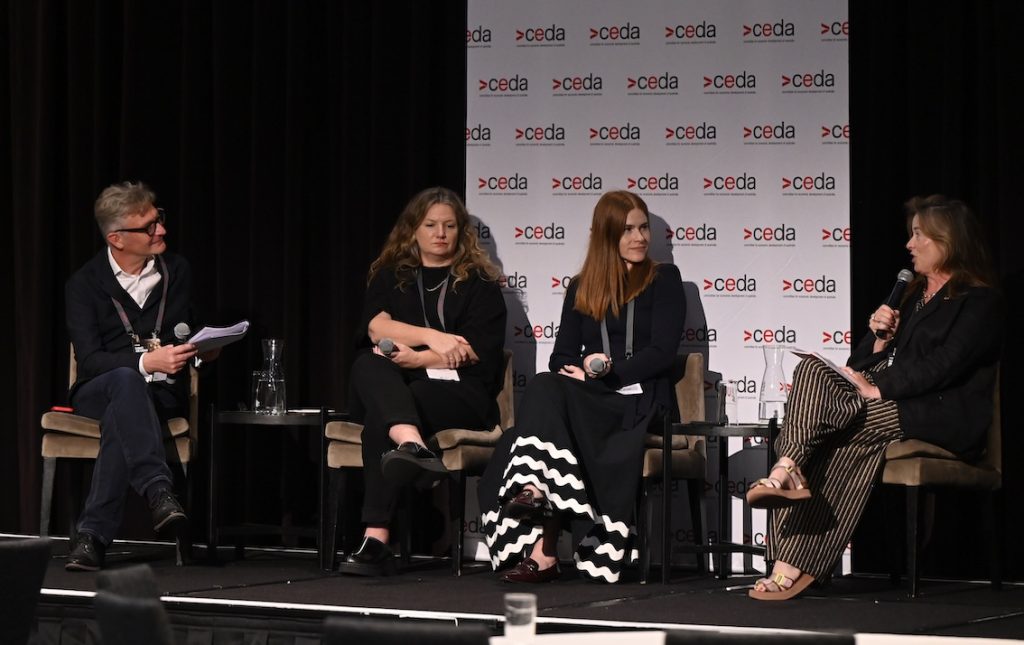
What Doesn’t Need To Be New: Two Launches, One Week, One Paradox
Last week brought two events exploring regenerative futures from very different angles. On one after...

What does it mean for a university to be alive?
The RSA (The royal society for arts, manufactures and commerce), RMIT’s Regenerative Futures I...
Launching RFI…!
Universities are extraordinarily good at adding things. Sustainability offices. Innovation hubs. Int...
Three provocations on designing futures worth watching / reflecting…
Over recent weeks, we’ve been hosting talks from visitors who come through Melbourne. Always fun to...
What Would It Take to Read the Label?
February’s Futures Collider at RFI put three provocations in a room and asked people to act ou...